In life’s most cherished moments, the smallest detail can make the most significant impact. When it comes to love and commitment, nothing signifies devotion like the perfect ring. For those seeking meaningful beauty on a budget, engagement rings for women under £1000 offer an incredible opportunity to find that one piece that truly completes the moment. These rings are more than affordable options—they are reflections of individuality, emotion, and timeless connection.
Choosing an engagement ring is a deeply personal journey. It’s not just about the sparkle, but about capturing a love story in a tangible form. With modern advancements in jewelry design and ethical sourcing, couples no longer need to compromise quality or sentiment for affordability. The market is rich with stunning engagement rings for women under £1000, offering elegant choices that are both aesthetically captivating and financially accessible. These rings come in a variety of styles, from vintage-inspired settings to sleek, contemporary designs, ensuring there is something to suit every personality and taste.
What makes a ring under £1000 so special is not just its price point, but the creativity and craftsmanship that goes into each piece. Lab-created stones, for example, have become a popular choice for their brilliance and ethical appeal. Moissanite and lab-grown diamonds rival traditional diamonds in beauty and durability, offering exceptional value without compromising on style or symbolism. Settings crafted in sterling silver, white gold, or platinum plating enhance the look without inflating the price, making luxury feel attainable.
The idea that a beautiful engagement ring must cost a fortune is rapidly becoming outdated. Today’s consumer is more informed and values authenticity and emotional meaning over conventional standards. When you explore engagement rings for women under £1000, you’re opening yourself to a world where intention and design take precedence over price tags. Whether it’s a minimalist solitaire, a ring with a floral motif, or a piece accented with colored gemstones, each design tells a story—your story.
Beyond the ring’s appearance, there is also comfort in knowing your purchase reflects mindful choices. Many jewelers now focus on ethical practices, using conflict-free materials and sustainable methods. By choosing one of these pieces, you’re not only investing in a symbol of love but also supporting responsible craftsmanship. It’s a way of saying that beauty and conscience can coexist.Visit our blog for more Yearly Magazine.
For couples preparing for a proposal or simply searching for a meaningful gift, finding the right ring within a set budget can feel overwhelming. However, it is entirely possible to discover something extraordinary that fits both the heart and the wallet. The key lies in taking the time to explore your options, paying attention to detail, and trusting your instincts about what feels right.
Ultimately, the ring you choose should be a reflection of the love you share, not just the amount you spend. Engagement rings for women under £1000 provide the chance to celebrate one of life’s most treasured moments without financial strain. These pieces prove that elegance, emotion, and affordability can exist in perfect harmony.
So, as you embark on this journey, remember that the perfect piece isn’t the one with the highest price—it’s the one that speaks to you, captures your bond, and completes your moment.
Ethnic wear holds a timeless charm, and nothing defines grace better than a women designer saree or an elegant unstitched suit. Whether you’re dressing up for a wedding, a festive occasion, or a formal event, these outfits help you make a lasting impression. If you’re wondering about the latest unstitched suit price or looking for the perfect saree, this guide will help you make an informed choice.
1. Women Designer Saree – A Blend of Tradition and Modernity
A saree is a symbol of grace and sophistication. From Bollywood celebrities to modern professionals, women across generations have embraced this traditional attire with contemporary styling.
a. Types of Designer Sarees
When shopping for a designer saree, consider these popular options:
Silk Sarees – Kanjivaram, Banarasi, Tussar, and Mysore silk sarees are luxurious and perfect for weddings.
Georgette Sarees – Lightweight, flowy, and easy to drape, making them ideal for parties.
Chiffon Sarees – Soft and elegant, giving a graceful appeal for both casual and formal occasions.
Organza Sarees – Trendy and stylish, offering a sophisticated sheer look.
Embroidered Sarees – Richly detailed with zari, sequins, and thread work, perfect for festive wear.
Cotton Sarees – Comfortable and breathable, best for daily wear and office attire.
b. How to Choose the Right Designer Saree?
For Weddings: Opt for silk or heavily embroidered sarees with intricate zari work.
For Parties: Choose lightweight fabrics like georgette or chiffon with stylish prints.
For Office Wear: Cotton or linen sarees in subtle shades offer a professional look.
For Casual Wear: Floral or printed sarees in pastel shades are comfortable and stylish.
c. Styling Tips for a Designer Saree
Pair your saree with a statement blouse for a trendy look.
Add a designer belt to accentuate your waist.
Choose the right draping style, such as a butterfly drape or a lehenga-style drape.
Accessorize with elegant jewelry, handbags, and heels for a complete look.
2. Unstitched Suit Price – A Custom Fit for Every Woman
An unstitched suit offers the freedom to design and tailor your outfit as per your preference. Unlike ready-made suits, these allow for personalized fittings, ensuring a perfect blend of comfort and style.
Cotton Suits – Affordable and ideal for everyday wear.
Silk Suits – Luxurious and elegant, perfect for grand celebrations.
Chanderi Suits – A mix of cotton and silk, offering a regal look.
Georgette Suits – Lightweight and flowy, great for party wear.
Velvet Suits – Rich and heavy, ideal for winter festivities.
Lawn Suits – Soft and breathable, commonly worn in summer.
b. Factors Affecting Unstitched Suit Price
The price of an unstitched suit depends on:
Fabric Quality: Premium fabrics like silk or velvet are more expensive.
Embroidery & Embellishments: Heavy embroidery or handwork adds to the cost.
Brand & Designer Label: Designer brands have higher price tags.
Dupatta Fabric: A silk or organza dupatta can increase the overall cost.
c. Tips for Choosing the Best Unstitched Suit
Select a suit based on the occasion (casual, festive, or formal).
Consider your body type and choose flattering fabrics.
Check the length of the fabric to ensure proper tailoring.
Compare prices online to get the best deals.
3. Where to Buy Designer Sarees and Unstitched Suits Online?
Shopping online is the best way to explore a variety of sarees and suits at competitive prices. Here’s why:
Extensive Collections: Choose from a wide range of styles and fabrics.
Discounts & Offers: Get exclusive online deals and festive discounts.
Convenience: Browse and buy from the comfort of your home.
Customization Options: Many websites offer stitching services for unstitched suits.
4. Conclusion
Whether you’re looking for a women designer saree to grace a special event or searching for an affordable unstitched suit price, the right choice can elevate your wardrobe. Explore different fabrics, compare prices, and invest in high-quality ethnic wear to add timeless elegance to your style.
Summer days can quickly turn painful with a sunburn. Sarah Roberts, a dermatology nurse from Miami, learned this the hard way. Her beach vacation left her skin red, tender, and darkening.
Sunburn isn’t just a temporary issue. It can cause dark spots that last. Finding natural home remedies for skin whitening to lighten skin after sunburn is key to getting your glow back.
Healing from a sunburn takes time and the right care. The right steps can help avoid lasting dark spots and speed up healing. Your skin needs gentle, caring treatments to help it recover.
Key Takeaways
Natural ingredients can effectively help reduce sunburn-induced skin darkening.
Hydration is critical for skin recovery and healing.
Home remedies offer gentle alternatives to chemical treatments.
A consistent skincare routine accelerates skin repair.
Prevention is always better than cure for sun damage.
Understanding Sunburn and Its Effects on Skin
Sunburn is more than just a temporary discomfort. It’s a serious skin condition that can have long-lasting consequences for your health. When your skin is exposed to intense UV rays, a complex process of damage begins. This damage goes far beyond surface-level redness.
Signs and Symptoms of Sunburn Damage
Recognizing sunburn symptoms early can help you take quick action. Typical signs include:
Skin turning bright red or pink
Skin feeling warm or hot to touch
Painful or tender skin surface
Swelling and inflammation
Potential blistering in severe cases
How UV Rays Affect Skin Pigmentation
UV ray effects on your skin are profound. UVA and UVB rays penetrate different skin layers, causing immediate and long-term damage. When exposed to sunlight, your body responds by producing melanin. This is a natural pigment designed to protect your skin from further harm.
The Science Behind Post-Sunburn Darkening
Skin pigmentation changes are your body’s defense mechanism. After sunburn, increased melanin production leads to a darker skin tone. This is your skin’s attempt to shield itself from future UV damage. This process can result in uneven skin tone and potential long-term skin discoloration.
The timeline of sunburn progression typically follows these stages:
Initial redness appears 2-6 hours after exposure.
Peak skin symptoms occur around 12-24 hours.
Skin begins peeling 4-7 days later.
Understanding these effects can help you take proactive steps to protect your skin. This can prevent future damage.
Essential First Aid for Sunburned Skin
When you get sunburned, acting fast can help a lot. Sunburn first aid means quick steps to calm and protect your skin.
The first thing to do is stop getting more sun. Move to a cool, shaded spot to avoid more damage.
Cooling and Soothing Techniques
Use cool water for bathing or showering to reduce skin temperature.
Apply cool compresses wrapped in soft towels for 10-15 minute intervals.
Avoid using harsh soaps that might irritate sunburned skin.
Choose gentle, fragrance-free moisturizers with aloe vera
Soaking sunburned skin in cool water helps. Aloe vera is also good because it heals and cools the skin.
Pain Management and Hydration
To feel better and heal, try these tips:
Drink lots of water to stay hydrated.
Take over-the-counter pain relievers if needed.
Use hydrocortisone cream for pain relief.
Rest and avoid more sun.
Sunburn Care Essentials
Treatment
Benefits
Application
Cool Compresses
Reduces skin temperature
10-15 minutes, every few hours.
Aloe Vera
Anti-inflammatory, promotes healing
Apply directly to affected areas.
Hydration
Prevents dehydration, supports skin recovery
Drink water regularly.
If your sunburn is really bad, with lots of blisters or fever, see a doctor. They can help you get better and avoid serious problems.
The Role of Hydration in Skin Recovery
Hydration is key to healing sunburned skin. Your body needs the right amount of moisture inside and out. Knowing how to hydrate can really help your skin get better.
The human body is 60% water. This makes drinking water very important for skin health. Drinking enough water helps your skin get back to normal after sun damage.
Internal Hydration Methods
Drink at least 2-3 liters of water daily.
Consume water-rich fruits like watermelon and cucumber.
Eat hydrating foods that support skin recovery.
External Moisturizing Techniques
Moisturizing sunburned skin needs a gentle touch. Use moisturizers without alcohol. Look for ones with aloe vera or vitamin E to help your skin heal.
Hydration Technique
Benefits
Aloe Vera Gel
Reduces inflammation, provides cooling effect
Vitamin E Moisturizer
Supports skin healing, reduces oxidative stress
Hypoallergenic Lotion
Prevents further skin irritation
Best Time to Apply Treatments
Apply moisturizers immediately after bathing when your skin is still wet. This keeps moisture in and helps your skin heal faster. Keep applying every few hours to keep your skin hydrated.
Remember, your skin’s recovery needs both internal and external hydration. Stick to your moisturizing routine to help your skin heal well.
Natural Cooling Agents for Immediate Relief
Sunburn can be really uncomfortable. But natural cooling agents can give you quick relief. Many household items can soothe your skin and lessen inflammation.
Here are some cooling agents for sunburn that can make you feel better right away:
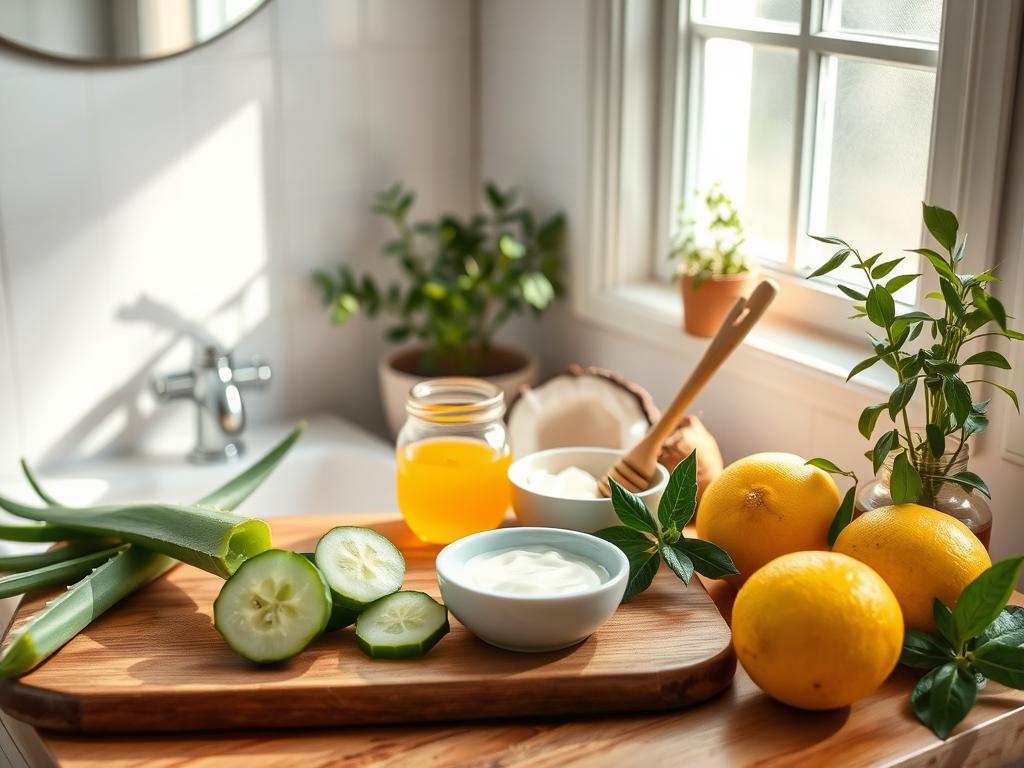
Cucumber: A natural skin soother with high water content and cooling properties
Green Tea: Contains antioxidants that reduce skin inflammation
Cold Milk Compresses: Helps calm and hydrate sunburned skin
Witch Hazel: Minimizes pain and reduces skin irritation
To soothe sunburn naturally, apply these agents gently. Each one has special benefits to help your skin heal:
Cooling Agent
Benefits
Application Method
Cucumber
Hydrates and cools skin
Slice or create paste, apply directly.
Green Tea Compress
Reduces inflammation
Chill tea bags, place on affected areas.
Witch Hazel
Reduces pain and itching
Apply with a soft cotton cloth.
Be gentle when using these remedies. Your skin needs care during healing. Pat dry and avoid rubbing to prevent more irritation.
Home Remedies for Skin Whitening
After sunburn, your skin needs gentle care. Natural methods can help restore its glow. They do this without harsh chemicals.
Yogurt and Milk-Based Treatments
Start in your kitchen for whitening face remedies. Yogurt has lactic acid that lightens skin and fades dark spots. Try these easy treatments:
Apply cold yogurt to sunburned areas for 15-20 minutes.
Mix milk and yogurt for a better mask.
Rinse with lukewarm water for best results.
Honey and Aloe Vera Applications
Herbal whitening uses natural ingredients. Honey and aloe vera heal damaged skin.
Aloe vera gel soothes burns and helps skin heal.
Honey fights bacteria and aids healing.
Combine honey and aloe for a brightening treatment.
Herbal Solutions for Skin Lightening
Natural lightening is about health, not just looks. Try these herbal remedies:
Herb
Benefits
Application
Green Tea
Reduces inflammation
Cool compress
Chamomile
Calms skin
Gentle tea bath
Sandalwood
Improves complexion
Powder mask
Remember, consistent and gentle treatment is key to recovering your skin’s natural brightness after sunburn.
Vitamin C Solutions for Skin Brightening
Vitamin C is a powerful tool for skin recovery and brightening after sunburn. It helps restore your skin’s natural glow and fights sun damage spots.
Vitamin C treatments have many benefits for your skin. They reduce dark spots and even out your skin tone. Studies show that ascorbic acid, a form of Vitamin C, works best on the skin.
Concentration range: 10-20% in skincare products
Reduces transepidermal water loss by up to 19%
Inhibits melanin synthesis by targeting the tyrosinase enzyme.
Boosts collagen production for skin tightening
When looking for a vitamin C treatment, here are some top picks:
Product
Vitamin C %
Price
Key Features
SkinCeuticals C E Ferulic
15%
$166
Advanced antioxidant protection
BeautyStat Universal C Eye Perfector
5%
$65
Targeted eye treatment
Bliss Bright Idea Serum
10%
$27
Vegan-friendly formula
Start with a low concentration and test it first. People with sensitive skin should start slowly with Vitamin C treatments. A 20% solution is best for protecting your skin and making it look better.
Eating foods rich in Vitamin C also helps. Your skin will be grateful for this healing and brightening effort after sun exposure.
Kitchen Ingredients for Skin Recovery
Sunburn can make your skin feel damaged and sensitive. Natural kitchen remedies can help fix this. They use ingredients you might already have at home.
Looking into homemade skin treatments can help right away. They support your skin’s natural healing. Here are some kitchen-based healing methods to try.
Cucumber and Green Tea Cooling Treatments
Cucumber is great for sunburned skin. It has natural pain-relieving properties. Green tea compresses can also help by:
Reducing skin inflammation
Providing antioxidant protection
Soothing irritated skin
Oatmeal and Baking Soda Soothing Solutions
Oatmeal has avenanthramides, which calm irritated skin. Baking soda can help by neutralizing acid and reducing itching. Here are some natural treatments:
Create a colloidal oatmeal bath.
Make a gentle oatmeal paste.
Add baking soda to bathwater for relief.
Natural Oils for Skin Repair
Many natural oils can help your skin heal and stay moist:
Oil
Benefits
Coconut Oil
Suppresses inflammatory agents, moisturizes
Tea Tree Oil
Antimicrobial, reduces inflammation
Shea Butter
Reduces itching, improves skin condition
Always test these remedies on a small area first. If your sunburn is bad or lasts a long time, talk to a doctor.
Post-Recovery Skin Care Routine
After a sunburn, your skin needs special care to heal. It’s important to be patient and gentle. This helps your skin get back to normal and avoid lasting damage.
Your skin recovery routine should focus on three key aspects:
Hydration
Protection
Gentle nourishment
When you start your gentle skincare after sunburn, follow these steps:
Use mild, fragrance-free cleansers with lukewarm water.
Apply moisturizers with aloe vera or vitamin E.
Protect skin with broad-spectrum sunscreen daily.
Science shows that 85% of skin problems come from the sun. To help your skin heal, use products with antioxidants. They fix skin damage.
Recovery Stage
Recommended Actions
Initial Healing
Hydrating serums, gentle moisturizers
Mid Recovery
Vitamin C-enriched products, light exfoliation
Long-Term Care
Daily sun protection, antioxidant treatments
Pro tip: Don’t use harsh skincare products with AHAs, BHAs, and retinols early on. They can make your skin worse.
Remember, it takes weeks for your skin to fully recover. Be patient, keep up with your routine, and let your skin heal.
Prevention Tips for the Future Sun Protection
Keeping your skin safe from UV rays is key to healthy, young-looking skin. Learning about sun protection can help prevent sunburn and reduce long-term skin damage.
Sun exposure can be risky, but knowing how to protect yourself lets you enjoy the outdoors safely.
Proper Sunscreen Application
Starting with the right sunscreen is crucial for sunburn prevention. Choose a broad-spectrum sunscreen with at least SPF 30. It should protect against UVA and UVB rays.
Apply sunscreen 15-30 minutes before going outside.
Use about one ounce (30ml) for all exposed skin.
Reapply every two hours or after swimming.
Go for water-resistant formulas for longer outdoor times.
Protective Clothing Guidelines
Your clothes are also important for sun protection. Picking the right clothes can add extra protection.
Clothing Item
Protection Level
Recommendation
Wide-brimmed Hat
High
Covers face, neck, and ears.
UV-blocking Sunglasses
High
Protects eyes and skin around them.
Long-sleeved Shirts
Medium
Choose lightweight, tightly woven fabrics.
Safe Sun Exposure Hours
Knowing when UV rays are strongest is key to sun protection. Stay out of direct sun between 10 am and 4 pm when rays are strongest.
Seek shade during midday.
Remember, UV rays go through clouds.
Watch out for reflective surfaces like water and sand.
Pro tip: Higher altitudes and tropical areas have stronger UV rays. So, be extra careful there.
When to Seek Professional Help
Sunburn can be more than just painful. Sometimes, home remedies aren’t enough. You might need professional skin care help. Knowing when to see a dermatologist is key for your skin’s health.
Here are signs you should see a dermatologist for severe sunburn:
Sunburn covering large body areas
Extensive blistering
Extreme pain unresponsive to home treatments
Fever above 101°F (38.3°C)
Signs of potential skin infection
Special attention is required for vulnerable groups. Kids under one year with sunburn need a doctor’s check-up. Dermatologists can give special treatments like creams or pills to help severe cases.
Experts can look at your skin and make a plan just for you. They might suggest:
Chemical peels to reduce melanin
Laser therapy for skin healing
Targeted topical treatments
Early help from a professional can stop problems and help your skin heal faster. Your skin’s health is very important. Don’t wait to see a dermatologist if you have bad or lasting sunburn symptoms.
Conclusion
Sunburn recovery and skin whitening need a smart plan. This plan should mix natural skin whitening remedies with good protection. Understanding how to control melanin is key to fixing your skin tone.
Natural items like aloe vera, turmeric, and lemon juice help even out your skin. Studies show that 70% of people get good results with milk and herbal supplements. Being patient is important for healing your skin right.
It’s crucial to protect your skin from the sun. Use sunscreen, wear clothes that cover you, and stay out of the sun when it’s strongest. This way, you can avoid more sun damage and keep your skin looking good.
Good skin health is about more than just treatments. It’s about eating right, staying hydrated, managing stress, and taking care of your skin every day. Talking to a skincare expert can help you find the best care for your skin.
FAQ
How long does it take for sunburned skin to recover?
Recovery time varies with sunburn severity. Mild burns heal in 3-5 days. Severe burns can take up to two weeks. It may take weeks for skin tone to fully return.
Keep your skin hydrated and protected. Use gentle home remedies to aid healing.
Can home remedies really help whiten skin after sunburn?
Yes, natural ingredients can lighten and restore your skin. Yogurt, lemon juice, honey, aloe vera, and vitamin C help. Results are slow and vary by skin type.
Is it safe to use home remedies immediately after getting sunburned?
First, cool and hydrate your skin. Use cool compresses and aloe vera gel. Drink lots of water.
Wait for the heat and inflammation to lessen. Be gentle and avoid harsh treatments.
How can I prevent skin darkening after sunburn?
Preventing is better than treating. Use sunscreen with SPF 30 or higher. Wear protective clothes and stay in the shade.
After sunburn, use vitamin C, yogurt, and honey to reduce melanin. This helps prevent darkening.
Can I use makeup after sunburn?
Avoid makeup until your skin heals. Makeup can clog pores and irritate sensitive skin. Use mineral-based makeup when ready.
For a variety of content focused on natural and herbal remedies for various healthcare concerns, please visit: Pure Remedy Solutions
Tags: home remedies for skin whitening, whitening home remedies for face, Pure Remedy Solutions, brighten skin at home, face whitening tips
Protecting your skin from harmful ultraviolet (UV) rays is essential for maintaining healthy, youthful skin. While many people focus on sun protection during the summer months, it’s important to recognize that UV rays are present all year round and can cause damage even on cloudy or winter days. Consistent UV protection is key to preventing premature aging, sunburn, and even skin cancer. In this article, we’ll explore how to effectively protect your skin from UV rays year-round and the role of SPF creams in your daily skincare routine.
Understanding UV Rays and Their Effects
Ultraviolet rays come in two main types that can affect the skin:
UVA rays: These rays penetrate deep into the skin, contributing to premature aging, wrinkles, and sunspots. UVA rays can pass through windows, meaning they can damage your skin indoors or in your car.
UVB rays: These are the rays responsible for sunburn. UVB rays mainly affect the outer layer of the skin and can cause immediate damage like redness and irritation. Over time, repeated exposure can lead to skin cancer.
Because both UVA and UVB rays are harmful, using a broad-spectrum SPF cream that protects against both types is essential.
Why Year-Round Sun Protection is Necessary
Many people assume that sun protection is only needed on hot, sunny days, but this is a common misconception. UV rays are present all year long, even in winter or on cloudy days. Up to 80% of UV rays can penetrate through clouds, and snow can reflect UV rays, increasing your risk of sunburn during winter sports.
Indoor environments also pose a threat, as UVA rays can pass through windows, leading to cumulative sun damage over time. By incorporating year-round sun protection into your daily routine, you can ensure your skin is protected from the harmful effects of UV radiation, no matter the season.
How to Protect Your Skin from UV Rays All Year Round1. Use a Broad-Spectrum SPF Cream Daily
The most important step in protecting your skin from UV rays is using a broad-spectrum SPF cream every day. Broad-spectrum sunscreens are designed to block both UVA and UVB rays, offering comprehensive protection. For daily wear, an SPF of 30 or higher is recommended, as it blocks around 97% of UVB rays.
Choose a lightweight SPF cream that is suitable for your skin type and apply it as the final step in your skincare routine. If you’re spending extended time outdoors or participating in activities like skiing or hiking, consider a higher SPF (such as SPF 50) for added protection.
Best Product Recommendation: Photoderm Max SPF 50+ This lightweight, non-greasy sunscreen provides high-level broad-spectrum protection and is suitable for all skin types, making it ideal for everyday wear.
Key Benefits:
SPF 50+ protection against UVA and UVB rays
Lightweight, fast-absorbing formula
Suitable for daily use on face and body
2. Reapply Sunscreen Throughout the Day
Sunscreen effectiveness diminishes over time, especially if you’re exposed to the elements. Even the best SPF creams need to be reapplied every two hours, or more frequently if you’re sweating, swimming, or spending extended time in the sun. If you wear makeup, consider using a sunscreen spray or powder sunscreen that can be easily reapplied without disrupting your makeup.
For outdoor activities, carry a travel-sized sunscreen with you to ensure you can reapply as needed throughout the day.
3. Wear Protective Clothing and Accessories
In addition to using SPF cream, protective clothing is an excellent way to shield your skin from UV rays. Choose clothing with a high UPF (Ultraviolet Protection Factor), which indicates how effectively the fabric blocks UV rays. Look for long sleeves, wide-brimmed hats, and sunglasses that protect your face, neck, and eyes from the sun.
In winter, don’t forget to protect your skin during outdoor activities. Snow can reflect UV rays, making it crucial to cover exposed areas with sunscreen and wear protective clothing, including gloves and hats.
4. Seek Shade During Peak Sun Hours
UV rays are strongest between 10 AM and 4 PM, so try to limit your sun exposure during these hours, especially during summer. If you need to be outdoors, seek shade whenever possible and reapply sunscreen regularly. Even in winter, the sun’s rays can be intense, especially in snow-covered environments where UV radiation is reflected.
5. Use Lip Balm with SPF
The skin on your lips is sensitive and can easily become sunburned. Protect your lips by using a lip balm that contains SPF. Many lip balms with SPF 15 or higher offer sufficient protection, but it’s important to reapply throughout the day, especially after eating or drinking.
6. Don’t Forget Sunscreen Indoors
Even if you spend most of your time indoors, it’s essential to apply sunscreen. UVA rays can penetrate through windows, leading to cumulative skin damage over time. If you work near a window or drive often, wearing sunscreen daily can help protect your skin from these invisible yet harmful rays.
The Importance of Consistency in Sun Protection
Consistent use of year-round sun protection is essential for preventing both short-term and long-term damage to your skin. UV rays are a major cause of premature aging, contributing to fine lines, wrinkles, and sunspots. More importantly, unprotected sun exposure increases the risk of skin cancer, including melanoma.
By incorporating SPF cream into your daily skincare routine and making it a habit, you can protect your skin from UV damage, keep your complexion youthful, and reduce the risk of serious skin issues.
How to Choose the Right SPF Cream
When selecting a sunscreen for year-round protection, consider the following factors:
SPF Level: For everyday use, an SPF of 30 or higher is recommended. For extended outdoor activities, opt for SPF 50.
Broad-Spectrum: Ensure the sunscreen provides protection against both UVA and UVB rays.
Skin Type: Choose a sunscreen that suits your skin type. For oily or acne-prone skin, opt for a non-comedogenic, oil-free formula. For dry skin, look for a hydrating sunscreen that includes ingredients like hyaluronic acid.
Water-Resistance: If you’re swimming or sweating, choose a water-resistant sunscreen to maintain protection for up to 80 minutes.
Protecting your skin from harmful UV rays requires a year-round commitment. By incorporating a broad-spectrum SPF cream into your daily skincare routine, wearing protective clothing, and reapplying sunscreen regularly, you can significantly reduce the risk of sun damage and maintain healthy, youthful skin. Whether it’s summer or winter, cloudy or sunny, consistent UV protection is key to safeguarding your skin’s long-term health.
Navigating skincare as a teenager can be tricky, especially with hormonal changes that lead to issues like acne, oiliness, and sensitive skin. Establishing a good skincare routine during the teenage years is essential for maintaining clear skin and setting the foundation for healthy skin in the future. With the right combination of gentle, effective products and consistent habits, teenagers can manage common skin concerns while keeping their skin balanced and healthy. Here’s a step-by-step guide to the best teenage skincare routine.
1. Cleanse Twice a Day
The first and most important step in any skincare routine is cleansing. During the teenage years, hormonal fluctuations can cause an increase in oil production, leading to clogged pores and acne. Washing your face twice a day, morning and night, helps remove excess oil, dirt, and impurities that build up throughout the day.
For teens with oily or acne-prone skin, a gentle foaming cleanser with ingredients like salicylic acid or benzoyl peroxide can help control breakouts. If you have dry or sensitive skin, opt for a hydrating cleanser with calming ingredients like aloe vera for face or glycerin. Avoid harsh cleansers with sulfates or alcohol, as these can strip the skin of its natural oils and cause irritation.
2. Exfoliate Once or Twice a Week
Exfoliation is important for removing dead skin cells and preventing clogged pores, but it’s crucial to be gentle, especially for teenage skin, which can be more sensitive. Exfoliate once or twice a week using a chemical exfoliant like alpha-hydroxy acids (AHAs) or beta-hydroxy acids (BHAs). These ingredients work to dissolve dead skin cells and keep pores clear without the need for harsh scrubbing.
Avoid physical exfoliants with rough beads or grains, as these can irritate the skin and lead to breakouts. Exfoliating regularly helps promote a brighter, clearer complexion by keeping your pores free of debris.
3. Moisturize Daily
Even if you have oily or acne-prone skin, moisturizing is essential for maintaining balanced skin. Skipping moisturizer can cause your skin to produce more oil to compensate for dryness, which may worsen acne. Use a lightweight, oil-free moisturizer that hydrates without clogging pores. Look for products labeled non-comedogenic, which means they won’t block your pores.
For teens with dry skin, choose a moisturizer with hydrating ingredients like hyaluronic acid 1.5% cream or ceramides. These ingredients help lock in moisture and keep the skin soft and supple.
4. Spot Treat Acne
Acne is one of the most common skin concerns for teenagers, and treating it effectively requires a targeted approach. Use a spot treatment with benzoyl peroxide, salicylic acid, or tea tree oil to reduce the size and redness of pimples. Apply the treatment directly to the affected area after cleansing and moisturizing.
Avoid picking at or popping pimples, as this can lead to scarring and worsen the breakout. Consistent spot treatment helps reduce acne over time and prevent new breakouts from forming.
5. Use Sunscreen Daily
Sunscreen is an essential part of any skincare routine, and it’s especially important for teenagers. Sun damage accumulates over time, and protecting your skin from harmful UV rays can prevent premature aging, sunburn, and hyperpigmentation. Choose a broad-spectrum sunscreen with at least SPF 30, and apply it every morning, even on cloudy days.
Opt for a lightweight, oil-free sunscreen that won’t clog pores or cause breakouts. Many sunscreens now come in formulas specifically designed for acne-prone or sensitive skin, making it easier to find a product that works for you.
6. Stay Hydrated and Maintain a Balanced Diet
Skincare isn’t just about the products you use—it’s also about how you take care of your body. Drinking plenty of water throughout the day helps keep your skin hydrated and flushes out toxins. A balanced diet rich in fruits, vegetables, and omega-3 fatty acids can also promote clearer, healthier skin.
Try to avoid excessive consumption of sugary snacks or processed foods, as they can contribute to breakouts and inflammation. Maintaining a healthy lifestyle complements your skincare routine and enhances your skin’s appearance.
7. Avoid Overusing Products
One common mistake teenagers make is using too many products or switching products frequently in hopes of seeing faster results. Overusing products, especially those with strong active ingredients, can lead to irritation and worsen skin problems. Stick to a simple routine and give your skin time to adjust before adding new products.
If you’re introducing a new product, such as a treatment for acne, patch-test it on a small area of your skin to ensure you don’t have a negative reaction. Consistency is key in seeing long-term improvements in your skin.
For teenagers, a skincare routine that focuses on gentle cleansing, moisturizing, sun protection, and acne treatment is essential for maintaining clear skin. By using products suited to your skin type and sticking to a simple yet effective routine, you can manage common teenage skin concerns like acne, oiliness, and dryness. Developing good skincare habits early on will not only help you maintain healthy, glowing skin but also set you up for long-term skin health in the future.