Performance Upgrades Explained: Choosing the Right Downpipes for Your AMG
Mercedes-AMG vehicles are known for blending luxury with serious performance, but for many enthusiasts, the stock setup is just the starting point. One of the most effective and popular modifications for unlocking extra power, sound, and responsiveness is upgrading the downpipes. Whether you’re focused on sharper throttle response or a deeper, more aggressive exhaust note, understanding how downpipes work and why they matter can help you make a smarter decision.
What Are Downpipes and Why Do They Matter?
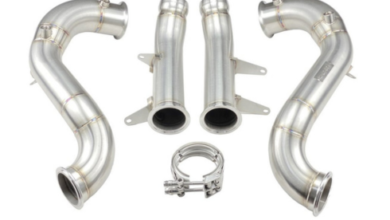
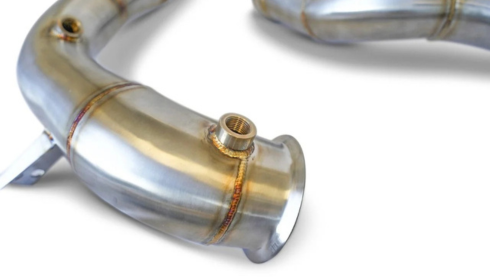
Downpipes connect the turbochargers to the rest of the exhaust system. In factory form, they’re designed to meet strict noise and emission regulations, which often means added restrictions. Performance-oriented downpipes reduce this restriction, allowing exhaust gases to flow more freely. The result is improved turbo efficiency, quicker spool times, and noticeable gains in horsepower and torque.
For AMG owners, this upgrade is especially appealing because these engines are already tuned for performance. Freeing up the exhaust flow helps the car feel more alive, particularly during hard acceleration and spirited driving.
Mercedes-AMG Performance Potential
High-performance AMG models respond extremely well to exhaust modifications. Upgrading mercedes gt63 downpipes is a common choice among owners who want to extract more character and performance from their vehicle. With a well-designed set of downpipes, drivers often notice smoother power delivery, a more pronounced exhaust tone, and improved overall driving engagement.
Beyond raw power, there’s also a sensory upgrade. The engine note becomes deeper and more refined under load, while remaining relatively civil during relaxed cruising—especially when paired with quality components and proper tuning.
Choosing the Right Type: Catted vs Catless
When selecting downpipes, you’ll typically choose between catted and catless options:
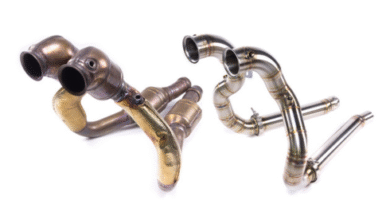
- Catted downpipes use high-flow catalytic converters. They offer a balance between performance and emissions control, making them a popular option for daily-driven cars.
- Catless downpipes remove the catalytic converter entirely, maximizing airflow and sound. While they deliver the biggest gains, they may not be legal for street use in many regions.
Your choice depends on how you use the car, local regulations, and whether comfort or maximum performance is the priority.
Installation and Tuning Considerations
Installing aftermarket downpipes is a technical process that should be handled by experienced professionals. Proper fitment is essential to avoid exhaust leaks, rattles, or sensor issues. In many cases, an ECU tune is recommended after installation to fully take advantage of the improved airflow and to prevent warning lights.
For mid-range AMG models, upgrading the downpipe mercedes e53 amg can significantly improve drivability when combined with the right tuning. The car feels more responsive, especially in the mid-range, where turbocharged engines spend most of their time on the road.
Reliability and Daily Driving
A common concern among owners is whether performance downpipes affect reliability. When sourced from reputable manufacturers and installed correctly, they generally do not compromise engine longevity. In fact, reduced exhaust backpressure can lower stress on turbochargers. However, poor-quality components or improper tuning can lead to issues, so it’s important to invest wisely.
Final Thoughts
Upgrading downpipes is one of the most impactful modifications you can make to a Mercedes-AMG. It enhances performance, transforms the exhaust note, and adds excitement to every drive. By choosing the right setup—catted or catless—and ensuring professional installation and tuning, you can enjoy noticeable gains without sacrificing comfort or reliability. For AMG enthusiasts looking to elevate their driving experience, downpipes remain a proven and rewarding upgrade.