
Clean water is one of those things most people take for granted until something changes. Maybe the shower leaves chalky marks on the glass, the kitchen tap develops an unpleasant taste, or the family starts buying bottled water because nobody likes drinking straight from the faucet. These issues can be frustrating, especially when the cause isn’t immediately obvious. The good news is that improving household water doesn’t always require a complicated setup. With a little information and a practical plan, homeowners can choose a solution that fits their needs, budget, and daily routine.
Start by Understanding Your Water
Before purchasing equipment, take a closer look at the water coming into your home. Different problems require different solutions, and choosing a system without understanding the issue can lead to unnecessary spending.
Hard water, for example, contains elevated levels of minerals such as calcium and magnesium. These minerals can leave spots on dishes, create scale inside appliances, and make soap less effective. Water with sediment may look cloudy or leave particles in a glass, while chlorine can affect taste and smell. Other concerns, including certain dissolved contaminants, may not be visible at all.
A water test provides a clearer picture. It can help identify hardness, pH, iron, and other characteristics that influence which treatment method makes sense. If you’re concerned about a specific contaminant, make sure the testing method is appropriate for it. Clear-looking water isn’t necessarily free of unwanted substances, and unusual taste alone doesn’t reveal the full story.
Finding a System That Fits Your Home
There’s no single treatment system that solves every water problem. Some homes need a simple point-of-use filter, while others benefit from treating water as it enters the building.
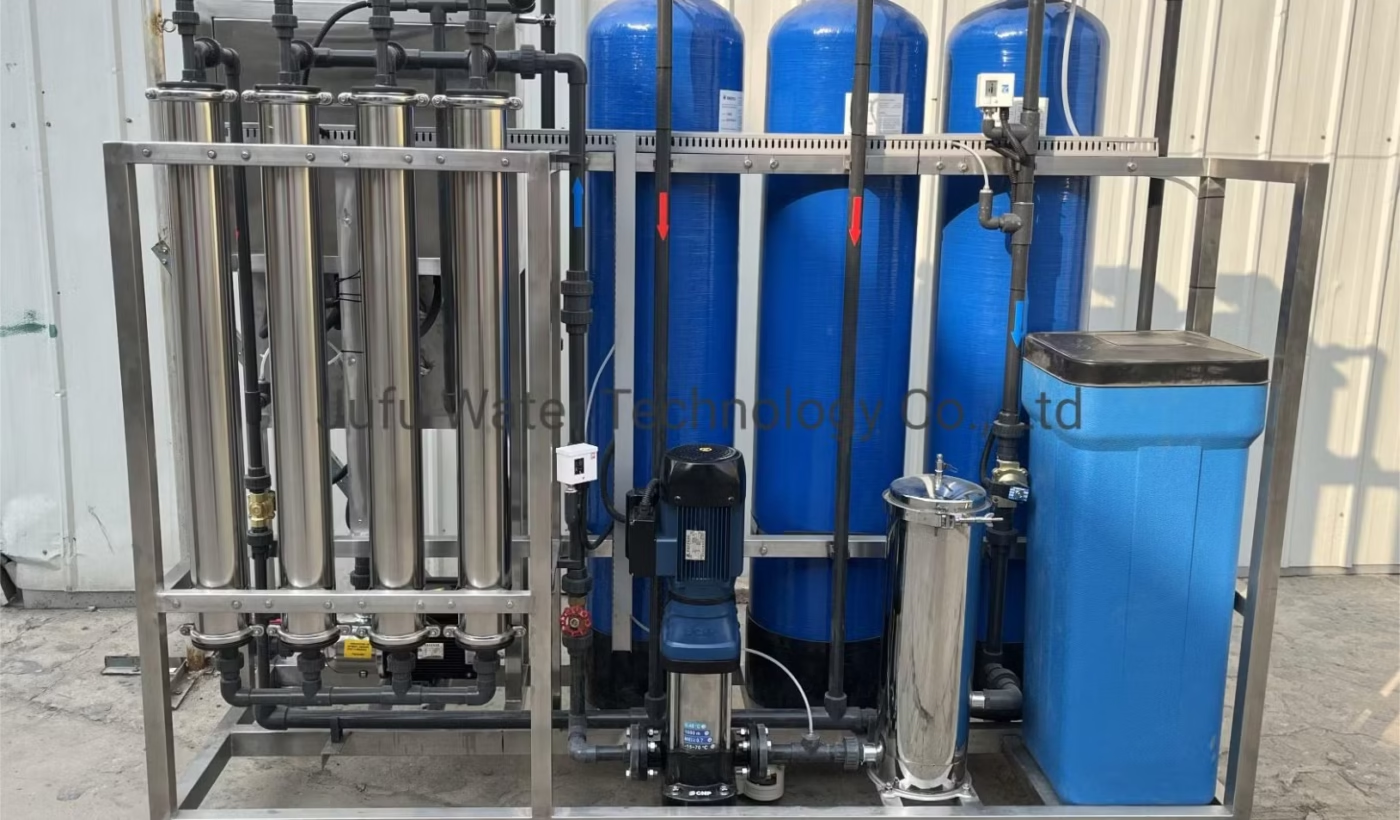
Whole-home filtration is designed to treat water before it travels through the home’s plumbing. Depending on the equipment, it may reduce sediment, chlorine, and certain other substances that affect water quality. This can be useful for households that want consistent treatment at multiple taps, showers, and appliances rather than relying on separate filters in different rooms.
However, the system needs to match the water conditions and the household’s water use. A home with several bathrooms and frequent laundry loads may have different flow requirements from a small apartment. Filter capacity, pressure loss, replacement intervals, and installation space all deserve attention before a purchase is made.
For some households, a smaller solution is enough. A faucet-mounted or under-sink filter may be suitable when the main concern is the taste of drinking water. The best option depends on the actual problem, not simply the number of features listed on a product page.
Improving the Taste of Drinking Water
Drinking water should feel easy to enjoy. If tap water has a strong chlorine taste, an appropriately certified carbon filter may help reduce that issue. If testing identifies dissolved substances that require more intensive treatment, a different technology may be needed.
Reverse osmosis drinking water systems use a semipermeable membrane to reduce many dissolved substances from water. They’re commonly installed beneath the kitchen sink and provide treated water through a dedicated faucet. Depending on the model and water conditions, they may reduce certain salts, metals, and other contaminants. Performance varies, so it’s important to check the system’s certification and the specific substances it has been tested to reduce.
Reverse osmosis also produces wastewater as part of the treatment process, and its filters and membrane require maintenance. Some systems include additional stages to improve taste, but more stages don’t automatically mean better results. A well-matched system with reliable replacement parts is usually more useful than an unnecessarily elaborate one.
Understanding the Cost Before You Commit
The purchase price is only one part of the decision. Installation, filter replacements, servicing, and possible plumbing changes can affect the total cost over time. That’s why it’s sensible to compare the full ownership picture rather than focusing on a single advertised figure.
When reviewing water treatment pricing, ask what the quoted amount includes. Does it cover installation, the initial filter set, testing, and any follow-up service? Are replacement cartridges easy to find, and how often do they normally need changing? If the system requires professional maintenance, find out what that service costs as well.
It can help to request a written estimate for the specific equipment recommended for your home. Compare systems that address the same water concerns, and be cautious of broad promises that one device will remove every possible contaminant. Treatment claims should be supported by appropriate testing or certification, not just persuasive sales language.
A lower upfront price may be attractive, but a system with expensive proprietary cartridges can cost more over several years. On the other hand, paying for features you don’t need won’t make your water safer or more pleasant. Aim for a sensible balance between performance, upkeep, and affordability.
Maintenance Is Part of the Plan
Even a good system needs attention. Filters become less effective as they collect particles or reach the end of their service life. Some units also need periodic sanitising, membrane replacement, or inspection for leaks. Ignoring maintenance can reduce performance and, in some cases, create hygiene concerns.
Keep a simple record of installation dates and recommended replacement intervals. Set reminders on your phone or calendar, and follow the manufacturer’s instructions rather than waiting until the water tastes different. A sudden change in taste, colour, pressure, or odour is also a reason to investigate instead of assuming the filter is the only possible cause.
If you rent your home or plan to move soon, consider how easily a system can be removed or transferred. Homeowners may have more flexibility to install equipment on the main water line, while renters may prefer a countertop or under-sink option that requires fewer permanent changes.
Make the Decision With Confidence
Water treatment doesn’t need to become an endless research project. Begin with a clear understanding of your water, identify the problems that matter most, and choose technology designed to address them. Then consider installation, maintenance, certifications, and long-term costs before making a commitment.
The right system should fit quietly into everyday life. It should deliver the improvement you’re looking for without creating a new set of hassles or expenses. With reliable testing and realistic expectations, you can make a practical choice that supports your household’s comfort and gives you greater confidence in the water you use each day.