
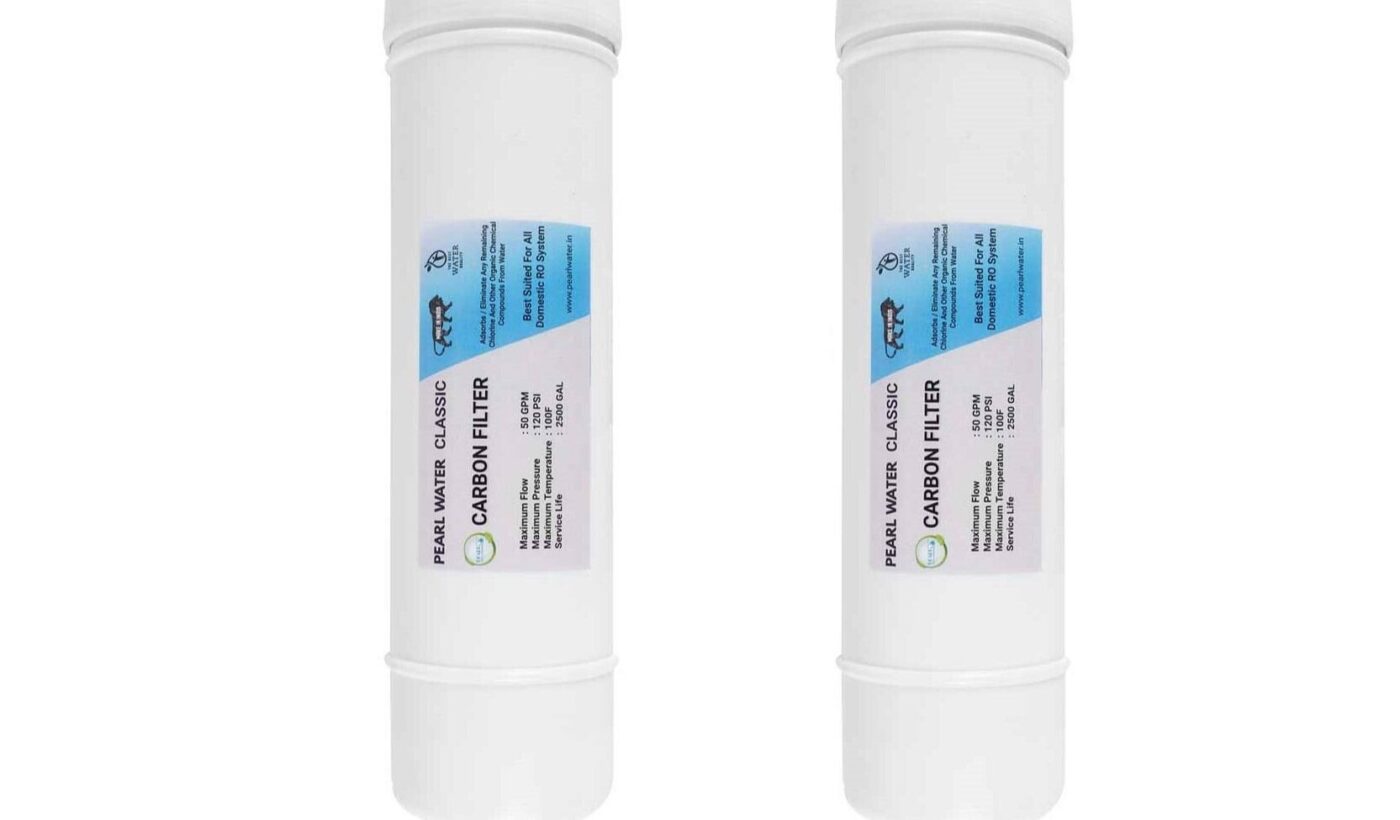
Clean water is something most people take for granted until the taste changes, an unpleasant smell appears, or a glass of drinking water suddenly seems less refreshing than it should. Water can look perfectly clear and still contain substances that affect its taste, odor, and overall quality. That’s why understanding the different methods of water treatment matters. One popular option is carbon filtration, a practical approach used in many homes to make everyday water more pleasant to drink and use.
Choosing a suitable treatment method doesn’t always mean investing in a complicated system. Sometimes, addressing a specific water-quality concern can make a noticeable difference. The important thing is knowing what each technology does, where it works best, and when additional treatment may be necessary.
Why Water Quality Deserves More Attention
Water travels through a variety of environments before reaching your tap. Municipal supplies are generally treated to meet applicable drinking-water standards, while private wells depend on their construction, surrounding conditions, and regular testing. Along the way, water may pick up naturally occurring minerals, treatment chemicals, organic compounds, or other substances.
Not every substance creates an immediate health concern. Some mainly affect the way water smells or tastes, while others require proper testing and targeted treatment. For example, a swimming-pool-like smell may indicate chlorine used during municipal disinfection. A musty odor, meanwhile, could have a different cause and may need further investigation.
Paying attention to these changes helps homeowners make better decisions. Rather than buying a filtration unit simply because it is advertised as powerful, it makes more sense to identify the actual problem first.
What Makes Carbon Filtration Useful?
Activated carbon is a specially processed material with a highly porous structure. Its surface contains countless tiny spaces that allow certain dissolved substances to attach to it through a process called adsorption. Although the word sounds technical, the basic idea is straightforward: unwanted compounds stick to the carbon instead of remaining in the water.
This technology is particularly useful for improving taste and odor. Depending on the carbon type, filter design, and operating conditions, it can also reduce certain organic chemicals. That makes it a common choice for drinking-water filters, refrigerator filters, and point-of-use treatment systems.
One important detail is that carbon filters don’t all perform identically. The amount of carbon, its quality, the contact time with water, and the manufacturer’s tested reduction claims all affect performance. A small cartridge designed for drinking water may have different capabilities from a larger filter serving several household fixtures.
Understanding the Role of De-Chlorination
Chlorine is commonly used to disinfect municipal water supplies because it helps control harmful microorganisms as water travels through distribution networks. Its presence is therefore not automatically a problem. However, some people dislike the noticeable taste or smell it can leave behind.
This is where de-chlorination becomes useful. Activated carbon can reduce chlorine in water as it passes through a properly designed filter, often improving the taste and smell of drinking water. The result can be more enjoyable water for filling a glass, preparing tea, cooking rice, or making coffee.
Still, timing matters. Removing chlorine at the point where water is consumed is different from removing disinfectant throughout a distribution system. In municipal systems, residual disinfectant helps protect water during delivery. Homeowners should therefore avoid making treatment decisions without considering how the water is supplied and whether additional protection is needed.
Carbon filtration also does not automatically remove every form of chlorine-related compound. For example, chloramine behaves differently from free chlorine and may require a filter specifically designed and tested for its reduction. Checking product specifications is more reliable than assuming all carbon cartridges offer the same results.
Choosing the Right Water Purifiers for Everyday Use
Households have different water needs. A family that mainly wants better-tasting drinking water may need a compact filter near the kitchen sink, while a property with several water-quality concerns might require a more comprehensive treatment setup.
When comparing water purifiers, start by identifying what you want the system to accomplish. Is the main issue chlorine taste? Are you concerned about sediment, dissolved minerals, or possible contaminants? Do you rely on a private well? Each situation calls for a different approach.
A pitcher filter can be convenient for modest drinking-water needs, although its capacity and replacement schedule may not suit every household. Faucet-mounted and under-sink filters can provide more convenient access to treated water. Reverse osmosis systems use a membrane and may reduce a broader range of dissolved substances when properly designed, but they can cost more and produce wastewater.
It’s worth remembering that no single device removes everything. A carbon filter intended to improve taste should not be treated as a complete solution for arsenic, nitrate, fluoride, or microbiological contamination unless the specific system is independently tested and certified for the relevant reduction. For these concerns, water testing and appropriate treatment are essential.
When Is a Whole-House Filter Worth Considering?
Point-of-use filters treat water at one location, usually where people drink or prepare food. Whole-house systems treat water as it enters the property, supplying multiple taps and appliances.
A whole-house carbon filter may be useful when reducing chlorine taste and odor throughout the home is a priority. It can improve water for showers, laundry, and other daily activities, depending on the system’s design. However, whole-house carbon treatment isn’t automatically necessary for every property. If the main concern is drinking-water taste, a smaller filter at the kitchen sink may be more economical.
Flow rate is another consideration. A filter that is too small for household demand can restrict water pressure or provide insufficient contact time for effective treatment. Before choosing a unit, consider the number of occupants, the property’s typical water consumption, and the manufacturer’s recommended operating conditions.
Maintenance Makes a Real Difference
Even a well-designed filter won’t perform properly forever. Carbon gradually becomes less effective as its adsorption capacity is used, and accumulated particles can affect water flow. Replacing cartridges according to the manufacturer’s instructions helps maintain reliable performance.
Don’t wait until the water tastes unpleasant again before checking the filter. Some contaminants cannot be detected by taste or smell, so a return to normal flavor doesn’t prove that the cartridge is still reducing everything it was designed to handle.
Look for systems with clear replacement guidance and credible independent certification, such as NSF/ANSI standards relevant to the product’s claimed performance. Certifications should match the specific contaminant reduction you need rather than simply indicating that a product has been tested in some capacity.
If your household uses well water, arrange appropriate testing at recommended intervals and whenever you notice a change in taste, color, or odor. Filtration is only one part of responsible water management; understanding what’s in the water comes first.
Better Water Starts With an Informed Choice
Improving water at home doesn’t have to be complicated, but it does require a little thought. Carbon filtration can be an effective way to reduce chlorine taste and odor and improve the everyday drinking experience. Other treatment technologies may be necessary when the concern involves dissolved minerals, specific chemical contaminants, or microorganisms.
The best solution is the one that addresses your actual water conditions, fits your household’s needs, and can be maintained properly over time. Start with reliable information, test the water when appropriate, and compare treatment systems based on verified performance rather than bold advertising claims. With that approach, cleaner, better-tasting water becomes a practical household improvement rather than another confusing purchase.