
Most of us expect the water at home to work without much thought. We fill a glass from the kitchen tap, make a cup of tea, rinse vegetables, and get on with the day. But behind that simple routine, a water filtration system is doing its job quietly, trapping unwanted particles or reducing certain substances before the water reaches us. Like any equipment, though, it needs a little attention to keep performing as intended.
The tricky part is knowing when that attention is needed. A filter may look perfectly fine even when it’s nearing the end of its useful life. A water purifier might continue running despite a worn component, and a change in taste doesn’t always point to the same problem. Understanding the basics of filter replacement, routine checks, and membrane care can help you avoid unnecessary expenses while keeping your household water system in good working order.
Why Filter Replacement Shouldn’t Be Delayed
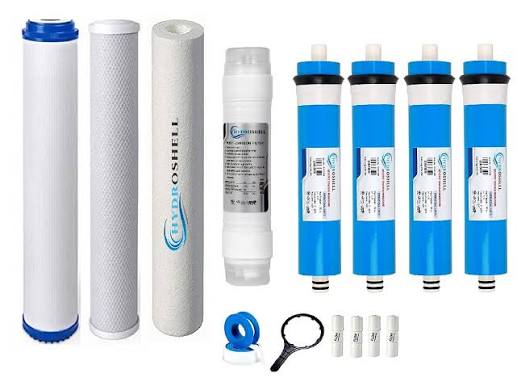
Filters are designed to capture or reduce specific substances, and their performance changes as they accumulate material or reach their service limit. Sediment filters, for example, trap particles such as sand, rust, and suspended debris. Activated carbon filters can improve taste and odor while reducing certain chemicals, depending on the product. Over time, these materials become less effective or restrict water flow.
Arranging professional filter replacement can be useful when a system has several cartridges, requires special tools, or needs careful handling during servicing. A trained technician can install the correct components, check seals, and make sure the equipment is restarted according to the manufacturer’s instructions. For simpler systems, homeowners may be able to replace cartridges themselves, provided they follow the manual carefully.
There isn’t one replacement schedule that works for every home. Some filters need changing every few months, while others last longer. The right interval depends on the manufacturer’s recommendations, incoming water conditions, and how much water the household uses. A busy family may go through a cartridge faster than a couple living in a smaller home.
Don’t wait for the water to look dirty before checking the filter. Many contaminants are invisible, and a filter can reach its recommended replacement point without any obvious change in appearance. Keeping a record of installation dates is a simple habit that can save you from guessing later.
The Importance of Regular System Checks
Replacing cartridges is only one part of maintaining a water treatment system. Connections, valves, tubing, pressure levels, and storage tanks can also affect performance. Even a small leak can cause trouble if it goes unnoticed beneath a kitchen sink or inside a utility cupboard.
A routine system inspection helps identify developing problems before they become expensive repairs. Depending on the equipment, a technician may check for leaks, inspect filter housings, assess water pressure, review the condition of tubing, and confirm that the system is operating as expected. If the system includes a softener or disinfection stage, those components may need their own checks.
Homeowners can also watch for early warning signs. Has the drinking-water tap become unusually slow? Is there a new taste or smell? Does the system cycle more often than it used to? These changes don’t automatically mean the equipment has failed, but they’re worth investigating.
Sometimes the cause is surprisingly simple. A valve may not be fully open, or a cartridge may be clogged sooner than expected. In other cases, a pressure issue or worn component requires professional attention. The important thing is not to assume that every problem needs a complete replacement. A proper diagnosis can prevent unnecessary spending.
Understanding the Role of a Reverse Osmosis Membrane
Reverse osmosis systems are popular for drinking water because they can reduce many dissolved substances using a semipermeable membrane. Water passes through this membrane under pressure, while much of the material being rejected leaves through a separate wastewater stream. The exact performance depends on the system design, operating conditions, and the substances present in the incoming water.
The membrane is a key component, but it doesn’t work alone. Prefilters usually protect it from sediment and certain chemicals that could affect its performance. If those filters are neglected, the membrane may become fouled or damaged sooner than expected. That’s one reason the maintenance schedule for the entire system matters, not just the most expensive part.
A slow output can sometimes indicate that the membrane is reaching the end of its useful life. Yet low pressure, a faulty storage tank, blocked filters, or a valve problem can produce similar symptoms. Replacing the membrane without checking these possibilities may not solve the issue.
When performance testing or the manufacturer’s guidance indicates that the membrane has reached its service limit, membrane replacement may be necessary. A technician can verify compatibility, install the correct part, and follow the required flushing or sanitizing procedure. Afterward, the system may need time to stabilize before the water is used, so follow the specific instructions provided for your model.
Taste and Odor Changes: What Should You Do?
A sudden change in water taste can be frustrating, especially when you’re used to filling your bottle straight from the tap. A chlorine-like smell may relate to the incoming supply or a filter’s condition, while a musty or metallic taste can have several possible causes. It’s tempting to blame the purifier immediately, but the real source may be elsewhere.
Start by considering whether the change affects one tap or the whole house. If it’s limited to a single faucet, the fixture or local plumbing may be involved. If several taps are affected, the supply or a broader plumbing issue could be responsible. This isn’t a definitive diagnosis, but it can help you describe the problem clearly when seeking assistance.
If the change is sudden, persistent, or accompanied by a public water advisory, follow local water authority guidance. Don’t rely on a home filter to make water safe unless the equipment is specifically designed and certified for the concern in question. Where contamination is suspected, appropriate testing is more reliable than judging water by its taste or smell.
Choosing the Right Replacement Parts
Not every cartridge that fits a housing is suitable for that system. Filters differ in their materials, capacity, flow characteristics, and reduction claims. Using an incompatible part may reduce performance or create installation problems.
Check the model number and the manufacturer’s recommendations before ordering replacements. If a filter is certified by an independent organization, confirm which specific performance claims the certification covers. A product designed to reduce chlorine, for example, shouldn’t automatically be assumed to remove lead, bacteria, or dissolved salts.
Cost matters, of course, but the cheapest option isn’t always the best value. Consider the replacement interval, availability of genuine compatible parts, installation requirements, and ongoing maintenance expenses. A reliable system should be practical to maintain, not something you dread servicing because every replacement becomes a costly surprise.
Build a Maintenance Routine That Fits Your Home
Water systems are easier to manage when maintenance becomes part of the household routine. Keep the user manual, note the installation date, and mark the expected filter replacement period on a calendar. If your system includes several stages, record each component separately rather than assuming all filters need changing at the same time.
It’s also helpful to keep the area around the equipment accessible. A water filter hidden behind boxes or cleaning supplies is harder to inspect, and small leaks can go unnoticed. If you see water escaping from a housing, follow the manufacturer’s shutdown instructions and close the appropriate valve if you can do so safely. Avoid dismantling pressurized equipment without proper guidance.
For households using private wells or systems designed to address a particular contaminant, follow relevant testing recommendations. Routine servicing supports performance, but it doesn’t replace water testing when testing is needed to confirm that a health-related concern is being addressed.
A Small Effort That Pays Off
A dependable water system doesn’t require constant attention, but it does need thoughtful care. Replacing filters on schedule, checking for leaks, and investigating changes in pressure or taste can help you catch problems early. Professional assistance is especially useful when the cause isn’t obvious or the equipment needs more than a straightforward cartridge change.
In the end, the goal isn’t to replace parts unnecessarily or buy the most expensive service package. It’s to understand what your system does, maintain it according to its design, and make decisions based on evidence rather than guesswork. A little planning now can help your equipment work more reliably and give you greater confidence in the water your household uses every day.