
There’s a funny thing about drinking water. We spend time choosing good coffee beans, fresh vegetables, and quality ingredients for dinner, yet rarely give the water used to prepare them the same consideration. It’s usually only when an unpleasant taste or smell becomes noticeable that we start questioning what’s coming from the kitchen faucet.
For homeowners looking beyond bottled water and basic filter pitchers, modern filtered drinking water solutions offer a convenient way to address specific water quality concerns without disrupting everyday routines.
Reverse osmosis is particularly worth exploring because it can reduce many dissolved substances that simpler filtration methods cannot effectively capture. Getting the most from this technology, however, involves understanding your water and choosing equipment that genuinely suits your household.
Taking a Closer Look at Your Drinking Water
Water quality concerns aren’t always obvious. Some households notice a chlorine-like taste, while others experience an unfamiliar mineral aftertaste. Occasionally, the water looks and tastes perfectly normal despite containing substances that deserve further investigation.
That’s why reliable water quality information matters.
Municipal water customers can review their supplier’s water quality reports, while private well owners should arrange appropriate laboratory testing.
Understanding these results can help you distinguish between taste-related concerns and potential health-related issues.
There’s little sense in purchasing an expensive purification system without knowing what you expect it to accomplish. A little investigation beforehand can make the entire decision considerably easier.
Getting Your Kitchen Ready for Reverse Osmosis
One of the appealing things about residential drinking water filtration is that it generally doesn’t require a major kitchen renovation.
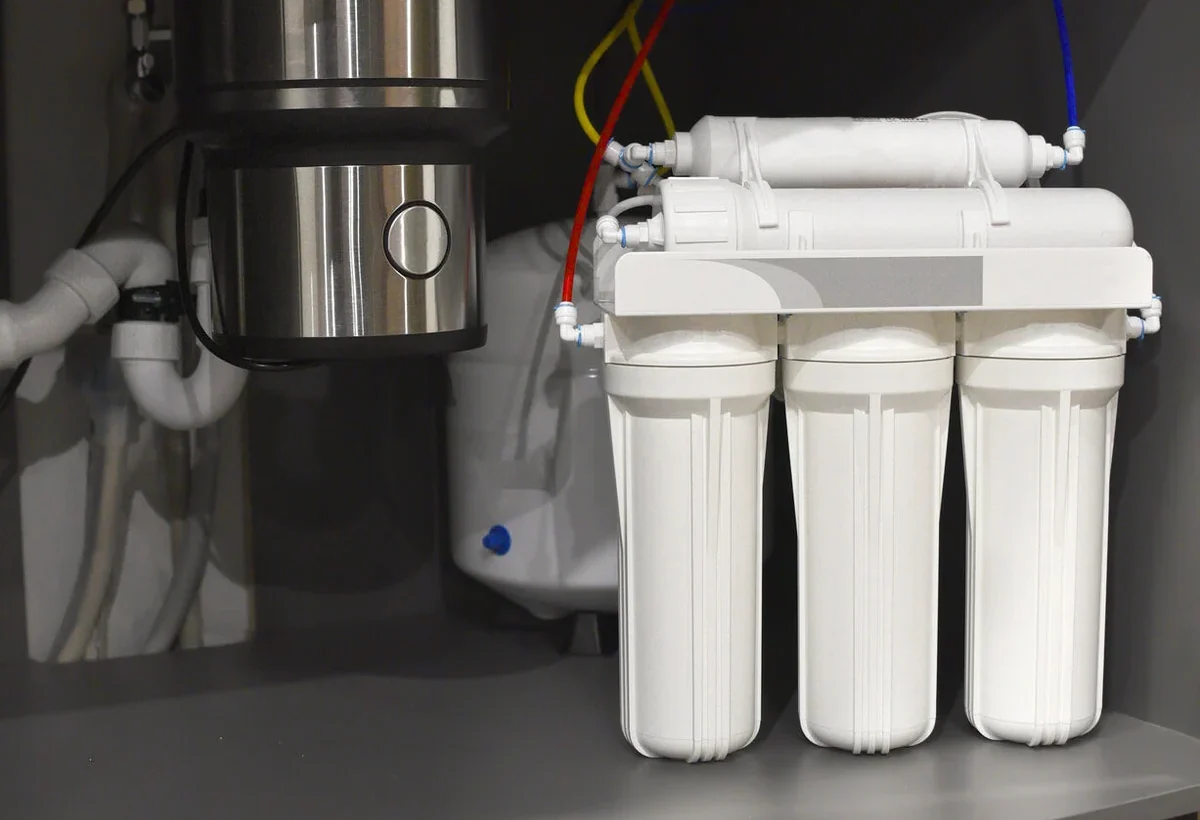
Professional reverse osmosis system installation typically involves connecting suitable equipment to the cold-water supply, establishing an appropriate drain connection, and fitting a dedicated drinking water faucet.
Depending on the design, the equipment may include a storage tank or operate through a compact tankless arrangement.
Before installation, consider the available cabinet space and accessibility for future maintenance. Some systems also require an electrical outlet.
Incoming water pressure and temperature can influence filtration performance, so these conditions deserve attention as well.
Getting the installation details right can prevent unnecessary inconvenience and help your equipment become a functional part of the kitchen rather than another obstacle beneath the sink.
Understanding How Reverse Osmosis Improves Water Quality
The science behind reverse osmosis is interesting, even if you’re not particularly enthusiastic about chemistry.
Effective RO drinking water treatment uses pressure to move water through a semipermeable membrane, reducing many dissolved substances while directing rejected materials into a separate concentrate stream.
Additional filtration stages commonly help capture suspended particles and reduce chlorine or certain unwanted tastes and odors.
Depending on independently verified performance claims, suitable equipment may reduce contaminants such as lead, nitrate, fluoride, and dissolved salts.
However, reverse osmosis isn’t a universal answer to every water quality concern. Equipment design, installation conditions, and maintenance all influence treatment performance.
Selecting a system according to reliable testing results is much more useful than simply choosing one with the greatest number of filtration stages.
Discovering the Difference in Everyday Cooking
Water is an ingredient in countless meals, though it rarely receives much credit.
Think about a homemade vegetable soup simmering on the stove or the first cup of tea you prepare on a quiet Sunday morning. An unpleasant flavor in the water can influence the finished result.
Appropriate filtration may provide a more neutral starting point, allowing the other ingredients to shine.
Coffee preparation is another interesting example. Water composition affects flavor extraction, although extremely low-mineral water may not suit everyone’s brewing preferences.
Some reverse osmosis systems include remineralization options for people who prefer a different taste profile.
Having treated water readily available gives you the freedom to experiment with what tastes best in your own kitchen.
Moving Away From the Bottled Water Habit
There’s nothing particularly enjoyable about carrying heavy packages of bottled water home after an already exhausting shopping trip.
A dedicated drinking water system may help reduce reliance on single-use bottles while making filtered water conveniently available whenever you need it.
Reusable bottles can be filled before work, school, or weekend outings. Preparing meals also becomes more convenient when you don’t need to open several individual bottles.
Of course, household filtration comes with its own operating expenses, including replacement filters, membrane servicing, and water consumption.
Comparing these expenses with your existing bottled water purchases can help you understand the potential long-term value.
Keeping Your Filtration System in Good Working Order
Once treatment equipment is installed, it’s easy to forget about it until something changes.
Prefilters gradually accumulate unwanted particles, carbon media reach their treatment capacity, and membranes eventually require replacement.
Following manufacturer-recommended maintenance schedules helps preserve filtration performance.
When consulting a provider such as Hawkins Water, ask about servicing arrangements, replacement component costs, equipment warranties, and water efficiency.
Unexpected changes in water flow or taste may indicate that the system needs attention. Appropriate follow-up testing is particularly important when treating health-related contaminants.
Keeping a record of filter replacement dates is a simple habit that can save considerable inconvenience later.
Making Better Drinking Water a Lasting Household Improvement
Improving your drinking water doesn’t have to involve complicated equipment or a complete change in your daily habits.
Start with reliable information, choose treatment that addresses your specific concerns, and establish a maintenance routine you can realistically follow.
The benefits often reveal themselves during ordinary moments — preparing breakfast, filling a glass before bedtime, or making lemonade for guests on a warm afternoon.
Good water is easy to overlook when it’s readily available. Perhaps that’s part of its appeal.
A thoughtfully selected filtration system can quietly improve your kitchen experience, making something as simple as turning on a faucet a little more rewarding.