Blog

  • Auxx Attic Lift – The Smart Solution for Attic Storage and Easy Lifting

    Auxx Attic Lift – The Smart Solution for Attic Storage and Easy Lifting

    Managing storage efficiently is always a challenge, especially when dealing with attics. Carrying heavy boxes, holiday decorations, or seasonal items up a ladder is not only inconvenient but can also be unsafe. This is where an Auxx Attic Lift becomes the perfect solution. Designed with modern homeowners in mind, it provides a safe, efficient, and reliable way to move items in and out of the attic without the hassle of dangerous lifting or climbing.

    Why Choose an Aux Lift Attic System?

    The attic is one of the most underutilized storage spaces in a home. However, accessing it usually requires carrying heavy items up a steep ladder, which poses the risk of injuries and accidents. An aux lift attic system eliminates these risks by providing a motorized platform that safely raises and lowers items. This innovative system ensures that you can use your attic space without straining your back or risking a fall.

    Auxx attic lifts are designed with user convenience in mind. With just the push of a button, bulky items like furniture, boxes, or tools can be transported into the attic. This makes it a great addition for homeowners who want to maximize storage while maintaining safety and ease of use.

    Benefits of an Auxx Attic Lift

    1. Safety First
      Climbing ladders while carrying heavy objects is one of the main causes of household accidents. The Auxx Attic Lift eliminates the need for risky lifting, making attic storage safer for everyone, regardless of age.
    2. Maximized Storage
      With the ease of moving items in and out, you can finally make full use of your attic space. Whether it’s storing off-season clothes, holiday decorations, or extra furniture, the lift allows for efficient storage without hassle.
    3. Convenience at Your Fingertips
      Operating the lift is simple and user-friendly. The motorized system does the heavy lifting, so you don’t have to.
    4. Durability and Reliability
      AuxxLifts are built with high-quality materials to ensure long-lasting performance. The sturdy design guarantees that it can handle heavy loads with ease.
    5. Adds Value to Your Home
      Home buyers often appreciate smart storage solutions. Installing an Auxx Attic Lift can add long-term value to your property.

    Aux Attic Lift vs. Traditional Storage Methods

    Traditional attic storage methods involve ladders and physical effort. This not only limits how much you can store but also makes it difficult to access those items when needed. An aux attic lift provides a modern alternative that eliminates the stress of carrying weight up a ladder. It also ensures quick access to items, saving you both time and energy.

    Why Homeowners Prefer the AuxxLift Attic System

    The auxxlift attic has gained popularity because of its innovative design and practical benefits. Homeowners appreciate how it transforms attic storage from a risky chore into a simple task. Many users highlight the peace of mind it brings, knowing they can store or retrieve items without physical strain.

    In addition, the sleek design of AuxxLifts allows them to blend seamlessly into the home. They don’t take up unnecessary space, and their operation is smooth and quiet. This makes them not only functional but also an aesthetically pleasing addition to modern homes.

    Final Thoughts

    If you’re tired of struggling with ladders and risking injuries while storing items in your attic, an Auxx Attic Lift is the ideal solution. It enhances safety, saves time, and allows you to make the most out of your attic space. With its durability and user-friendly design, it’s a smart investment for any homeowner looking for convenience and long-term value.

    By installing one, you’re not just upgrading your storage system—you’re upgrading your lifestyle. So, if you want a safer and smarter way to access your attic, the Auxx Attic Lift is the way forward.

  • Copa Libertadores Highlights to Follow

    Copa Libertadores Highlights to Follow

    The Copa Libertadores is more than just South America’s premier club football tournament—it is a cultural phenomenon. Known for its intensity, passionate crowds, and unforgettable rivalries, the competition consistently delivers drama that captivates fans worldwide. The 2025 edition promises to be no different, with historic clubs, rising talents, and fascinating narratives shaping this year’s campaign.


    Brazilian Dominance

    In recent years, Brazilian clubs have asserted significant control over the tournament. Teams like Flamengo, Palmeiras, and Fluminense have consistently reached the later stages, thanks to their deep squads and tactical balance.

    • Flamengo: With their attacking flair and experienced lineup, they remain one of the favorites to lift the trophy again.
    • Palmeiras: Known for discipline and resilience, Palmeiras combine defensive solidity with opportunistic finishing.
    • Fluminense: Fresh off strong campaigns, their youthful core and experienced leaders make them a dangerous contender.

    Brazil’s dominance is not just about resources; it reflects the strength of their domestic league, which continues to produce high-quality football.


    Argentine Powerhouses

    While Brazil has led in recent seasons, Argentina’s historic giants remain central to the Libertadores story. Clubs like Boca Juniors and River Plate are never far from the spotlight.

    • River Plate: Under evolving leadership, River continue to blend tradition with modern football, making them a threat in any matchup.
    • Boca Juniors: With one of the most passionate fan bases in the world, Boca’s journey is always dramatic. Their experienced players thrive in knockout matches.

    The rivalry between Argentine and Brazilian clubs continues to define the tournament, often producing the most unforgettable encounters.


    Dark Horses to Watch

    Beyond the traditional powerhouses, several clubs across South America are ready to make their mark.

    • Independiente del Valle (Ecuador): Known for excellent youth development and tactical organization, they’ve upset bigger names before and could do it again.
    • Atlético Nacional (Colombia): With a rich Libertadores history, they bring flair and attacking intent.
    • Libertad (Paraguay): Often overlooked, they are capable of deep runs with disciplined team structures.

    These teams ensure that the Libertadores always carries an element of surprise, keeping fans guessing until the very end.


    Rising Stars

    Every Copa Libertadores introduces the world to new footballing talent. The 2025 edition is no exception, with several players tipped to shine:

    • Endrick (Brazil): The teenage sensation continues to draw global attention with his skill and composure.
    • Valentín Barco (Argentina): The versatile left-sided player is making waves for Boca Juniors.
    • Kendry Páez (Ecuador): At just 17, he has already impressed in senior football and could become one of the breakout stars of the tournament.

    These young players are not only vital to their teams’ hopes but also represent the future of South American football.


    Rivalries and Atmosphere

    Few football experiences compare to Libertadores rivalries. Matches between Brazilian and Argentine giants, or local derbies within the same country, often turn into spectacles of passion.

    • Superclásico Flavor: If Boca Juniors and River Plate cross paths, the intensity is unmatched.
    • Brazilian Showdowns: Domestic rivals meeting in continental battles add extra layers of tension.
    • Crowd Atmosphere: From La Bombonera in Buenos Aires to the Maracanã in Rio, the stadiums themselves become characters in the story.

    The atmosphere of the Libertadores is part of what makes it unique—flares, chants, and sheer emotion that few tournaments can replicate.


    Tactical Trends

    Modern Libertadores football is a mix of tradition and innovation.

    • High Pressing: Teams like River Plate and Flamengo employ aggressive pressing to dominate possession.
    • Compact Defenses: Clubs from Paraguay and Uruguay often rely on solid defensive systems to frustrate stronger opponents.
    • Flair in Attack: Creativity remains central, with South American sides emphasizing skillful dribbling and unpredictable playmaking.

    This tactical diversity ensures that every match has its own flavor, with contrasting styles creating unpredictable outcomes.


    Why the 2025 Edition Matters

    The 2025 Libertadores is more than just another season—it represents a transitional phase for many clubs. Brazilian dominance is being tested, Argentine giants are aiming for resurgence, and smaller nations are closing the gap. The tournament’s global visibility is also expanding, with international broadcasters bringing the action to new audiences.

    For South American football, the Libertadores remains a proving ground for both established stars and rising players destined for Europe’s top leagues.


    Final Thoughts

    The Copa Libertadores continues to be the crown jewel of South American club football, blending passion, unpredictability, and history. From Brazilian heavyweights to Argentine legends, from rising Ecuadorian talents to Paraguayan challengers, the 2025 edition offers countless storylines worth following.

    Fans eager to stay updated with match schedules, standout performances, and exclusive highlights can rely on the Cricmatch247 App and use Cricmatch247 Login as trusted gateways for comprehensive coverage of the tournament.

  • All Rummy Apps

    All Rummy Apps

    The world of online card gaming has grown rapidly, and rummy continues to attract players who enjoy games based on planning, observation, and decision-making. With smartphones making online gaming easily accessible, users can now find many different rummy apps offering different game formats, tables, tournaments, and promotional features.

    For someone searching for all rummy apps, it can be difficult to understand which options are suitable, what different rummy games mean, and how the basic rules work. This guide introduces the main things players should know before exploring online rummy.

    What Are Rummy Apps?

    Rummy apps are mobile applications or web-based platforms that allow users to play different versions of the traditional rummy card game. Depending on the platform, users may find formats such as points rummy, pool rummy, deals rummy, and other variations.

    Every platform can have its own interface, scoring system, promotional offers, and eligibility requirements. Therefore, it is always important to read the rules of the particular game before starting.

    A good rummy app should make essential information easy to find. Users should be able to understand the game’s rules, scoring system, entry requirements, bonus conditions, and withdrawal policies before participating.

    Why People Search for All Rummy Apps

    The phrase all rummy apps is commonly used by people who want to discover different rummy platforms in one place.

    Players may be interested in comparing apps based on:

    • Available rummy formats
    • Game interface
    • Beginner-friendly features
    • Tournaments
    • Promotional offers
    • Customer support
    • Payment options
    • Security information
    • Responsible gaming features

    Instead of choosing an application simply because it has a large advertisement or attractive bonus, users should compare the important features and terms.

    Understanding the Rummy Game

    At its core, rummy is about arranging cards into valid combinations. In commonly played Indian 13-card rummy, players generally try to create sequences and sets from their cards.

    A sequence consists of consecutive cards belonging to the same suit.

    For example:

    5♥ – 6♥ – 7♥

    A set consists of cards with the same rank but different suits.

    For example:

    9♠ – 9♥ – 9♦

    Jokers can also be used in many rummy formats to complete combinations, although the exact joker rules depend on the particular game.

    Basic Rummy Rules

    Learning the rummy rules is the first step for anyone new to the game.

    In a typical 13-card format, players receive 13 cards and take turns drawing and discarding cards. The objective is to arrange the cards into valid combinations and make a declaration according to the applicable rules.

    One of the most important concepts is the pure sequence.

    A pure sequence contains consecutive cards from the same suit without using a joker as a substitute.

    Example:

    3♣ – 4♣ – 5♣

    Another important combination is an impure sequence, where a joker may substitute for a missing card.

    Example:

    8♦ – 9♦ – Joker – J♦

    Players should always check the specific platform’s rules because variations can have different requirements.

    Different Types of Rummy Games

    One reason there are so many searches for all rummy game options is that rummy is available in several formats.

    Points Rummy

    Points rummy is generally structured as a quick game. Cards have points assigned to them, and the final calculation depends on the rules of the particular platform.

    Pool Rummy

    Pool rummy is generally played over multiple rounds. Players accumulate points, and reaching the specified limit may result in elimination.

    Deals Rummy

    Deals rummy is played for a predetermined number of deals. Players typically receive chips or points at the beginning, and the final result depends on performance during those deals.

    Each format provides a slightly different experience, making it useful for beginners to learn the rules before switching between different games.

    Rummy Bonus: What Does It Mean?

    A rummy bonus is a promotional offer that may be provided by an online rummy platform.

    Bonuses can be connected with registration, deposits, special promotions, tournaments, or loyalty programs. However, a bonus should not automatically be considered withdrawable cash.

    Before accepting a promotional offer, carefully check:

    • Minimum deposit requirements
    • Eligibility conditions
    • Expiration date
    • Usage restrictions
    • Applicable games
    • Wagering or play requirements
    • Withdrawal conditions
    • Verification requirements

    Reading these details can prevent misunderstandings later.

    Rummy 51 and Rummy 51 Bonus

    Rummy 51 is another name frequently searched by people exploring online rummy games. Depending on the platform, the name may refer to a particular application, game, or format.

    Similarly, Rummy 51 bonus can refer to a promotional offer associated with a platform using that name.

    Because rules and promotions can change, players should verify the current information directly with the relevant service. Do not assume that the rules of Rummy 51 are identical to those of another rummy platform.

    Before participating, check the game’s:

    • Card structure
    • Combination requirements
    • Scoring system
    • Joker rules
    • Bonus conditions
    • Entry requirements
    • Withdrawal policies
    • Eligibility restrictions

    How to Compare All Rummy Apps

    When comparing all rummy apps, looking beyond the promotional banner is important.

    1. Game Variety

    Check whether the application provides the rummy format you actually want to learn or play.

    2. Simple Interface

    A clean interface can make it easier for new players to understand cards, turns, tables, and game information.

    3. Transparent Rules

    The platform should clearly explain how the game works and how winners and scores are determined.

    4. Clear Bonus Conditions

    If an app advertises a bonus, read the complete terms before considering its value.

    5. Account Security

    Look for information about account protection, verification, and transaction security.

    6. Customer Support

    Reliable customer support can be useful when users experience account, payment, or gameplay issues.

    7. Legal Eligibility

    Online real-money gaming regulations vary by location and may change. Users should verify that the service is permitted and that they meet the applicable age and eligibility requirements.

    Tips for New Rummy Players

    A beginner does not need complicated strategies immediately. Start by understanding the cards and developing good habits.

    Keep useful combinations together. If you already have a strong sequence, avoid breaking it without a reason.

    Pay attention to discarded cards. The discard pile can provide clues about cards other players may not need.

    Use jokers carefully. A joker can help complete an important combination, so think about where it provides the greatest benefit.

    Avoid unnecessary risks. If playing a real-money game, decide on a budget beforehand and never chase losses.

    Check your hand before declaring. A declaration should only be made when your combinations satisfy the rules of the particular game.

    Choosing an All Rummy App Carefully

    There is no single app that is automatically the best choice for everyone. A beginner may prefer a simple interface and educational information, while an experienced player may be interested in multiple formats or tournament options.

    The right approach is to compare platforms according to rules, transparency, security, available formats, support, and eligibility.

    A large bonus can look attractive, but it should never be the only reason to select an application.

    Final Thoughts

    All Rummy Apps provide a convenient way for card-game enthusiasts to explore different rummy formats from their smartphones. From traditional gameplay and basic sequences to modern online tables and promotional offers, the rummy ecosystem includes many different experiences.

    Before choosing an app, understand the rummy game, learn the rummy rules, and check the conditions attached to any rummy bonus. If you are specifically interested in Rummy 51 or a Rummy 51 bonus, verify the current rules and promotional terms of the particular platform.

    Most importantly, make informed decisions. If an app offers real-money gaming, check local regulations, understand the risks, set a spending limit, and play responsibly. A good rummy experience starts with knowing the game—not simply downloading an app.


  • 5 Benefits of Renting a Porta Potty for Outdoor Events

    5 Benefits of Renting a Porta Potty for Outdoor Events

    Planning an outdoor event sounds exciting, but one of the biggest challenges you’ll face is figuring out the bathroom situation. Whether it’s a wedding, a family reunion, a festival, or a sports tournament, not having enough restrooms can make guests uncomfortable and even ruin the experience. Many event organizers overlook this detail until it’s too late, only to realize how important proper restroom facilities are for both convenience and hygiene. That’s why renting portable restrooms is one of the smartest moves you can make when hosting people outdoors.

    If you’ve been on the fence about whether you really need them, here are five clear benefits of renting a porta potty for your next outdoor event.

    Convenience of a Porta Potty

    When you’re hosting a gathering away from traditional facilities, convenience becomes a top concern. A porta potty provides an easy and accessible restroom option no matter where your event is held. Guests don’t have to wander off searching for a bathroom or drive to the nearest gas station. Having restrooms right on site ensures that people can focus on enjoying the event instead of worrying about basic needs. This simple step creates a smoother flow for your gathering and helps avoid interruptions.

    Maintaining Cleanliness and Hygiene

    Another important benefit of renting portable restrooms is hygiene. Without them, guests may resort to uncomfortable or unsanitary options, which can quickly create health concerns. Modern rental units are designed with cleanliness in mind, often coming equipped with features like hand sanitizers or even handwashing stations. By providing proper facilities, you set a higher standard for your event, ensuring guests feel comfortable and safe.

    Comfort for Large Crowds

    If your event is expecting a large turnout, restroom capacity becomes even more important. The longer people wait in line, the more frustrated they become, which can affect the overall mood. Renting multiple portable units ensures that your crowd is accommodated efficiently. Guests can enjoy themselves without worrying about long bathroom lines or limited access. This extra attention to detail makes your event feel more organized and guest-friendly.

    Flexibility in Location

    One of the best parts about portable restrooms is that they can be placed almost anywhere. Whether your event is in a park, on a farm, at the beach, or even in a backyard with limited indoor restrooms, renting units gives you flexibility. You don’t have to worry about whether the location already has facilities because you can bring them in. This opens up your options when choosing a venue, since the lack of restrooms is no longer a limitation.

    Cost-Effective Solution

    Event budgets can be tricky, and you might assume that providing portable restrooms will be too expensive. In reality, renting is often more affordable than you think. The cost is small compared to the comfort it brings to your guests and the smooth running of your event. Instead of spending more money on altering venues or dealing with post-event cleanup issues, investing in restroom rentals becomes a practical and budget-friendly solution.

  • Насос промывки теплообменников – зачем нужен и как работает

    Насос промывки теплообменников – зачем нужен и как работает

    Теплообменники — оборудование, без которого не обходятся системы отопления, горячего водоснабжения и многие технологические процессы. Но в процессе эксплуатации на их внутренних поверхностях постепенно образуются накипь, коррозионные отложения и налёт. Всё это снижает эффективность передачи тепла и может привести к аварийным ситуациям. Именно поэтому для обслуживания применяется насос промывки теплообменников.

    Это компактное устройство позволяет подавать специальные реагенты под давлением, эффективно растворяя и удаляя отложения. В отличие от механической очистки, промывка насосом бережно воздействует на оборудование, не повреждая пластины и трубки теплообменника.

    Почему промывка необходима

    Даже при использовании качественной воды в системе постепенно образуются отложения. Они:

    • уменьшают проходное сечение каналов и снижают производительность оборудования;
    • увеличивают энергозатраты, так как требуется больше ресурсов для нагрева;
    • могут стать причиной перегрева и выхода из строя дорогостоящих узлов;
    • провоцируют развитие коррозии, что сокращает срок службы теплообменника.

    Регулярная промывка с применением насоса позволяет избежать этих проблем и поддерживать эффективность системы на высоком уровне.

    Средства промывки теплообменников

    Насос работает в паре со специальными составами. Средства промывки теплообменников подбираются в зависимости от материала и характера отложений. В ассортименте можно встретить:

    1. кислотные реагенты для удаления минеральных отложений;
    2. щёлочные составы для борьбы с жировыми загрязнениями;
    3. нейтральные растворы, которые применяются для профилактики и промывки оборудования из чувствительных материалов;
    4. ингибиторы коррозии, которые не только очищают, но и защищают поверхность.

    Важно помнить, что выбор средства зависит от рекомендаций производителя оборудования и особенностей системы.

    Как работает промывочный насос

    Принцип действия прост: насос обеспечивает циркуляцию раствора через теплообменник. Жидкость подаётся под давлением, проходит по всем каналам и возвращается обратно в бак, захватывая растворённые загрязнения. После окончания процедуры систему промывают чистой водой до полного удаления реагента.

    Преимущества использования насосов промывки

    Регулярное обслуживание с помощью насосов позволяет:

    • продлить срок службы теплообменного оборудования;
    • сократить расходы на энергию за счёт повышения эффективности;
    • избежать аварийных остановок систем отопления и водоснабжения;
    • снизить затраты на ремонт и замену оборудования.

    Практические советы по эксплуатации

    1. Перед началом промывки убедитесь, что выбранный реагент подходит для конкретного типа теплообменника.
    2. Работайте в перчатках и защитных очках — составы могут быть агрессивными.
    3. Следите за временем промывки: избыточное воздействие раствора способно повредить материал.
    4. После завершения обязательно промывайте систему чистой водой.
    5. Храните насос и аксессуары в сухом месте, избегая попадания влаги в электрические узлы.

    Насос для промывки теплообменников — это инвестиция в надёжность и долговечность инженерных систем. В сочетании с правильно подобранными средствами промывки он обеспечивает эффективную очистку и позволяет работать оборудованию без перебоев долгие годы.

  • Future-Proofing Your Home: Smart Gutter Solutions for Modern Living

    Future-Proofing Your Home: Smart Gutter Solutions for Modern Living

    Key Takeaways

    • Smart gutter systems offer innovative ways to safeguard homes from water damage, reduce maintenance, and increase property value.
    • Technology like gutter guards, self-cleaning gutters, and automated sensors can make routine upkeep easier for homeowners.
    • Proper installation and upkeep enhance the effectiveness and lifespan of gutters.
    • Environmentally-friendly options are making gutter systems more sustainable than ever before.
    • Investing in modern gutter solutions helps protect your home’s structure and curb appeal.
    • Learn about the latest trends and practical tips for optimizing your home’s gutter system.

    Table of Contents

    1. The Modern Challenge: Why Gutters Matter More Than Ever
    2. What Are Smart Gutter Systems?
    3. Homeowner Pain Points: Traditional vs. Modern Gutters
    4. Eco-Friendly Gutter Innovations
    5. Installation Best Practices: Getting The Most Out of Your Investment
    6. Step-by-Step Guide: Smart Gutter Maintenance Throughout the Year
    7. Real-World Outcomes: Case Studies and Data
    8. Investing in the Future: Determining If Smart Gutters Are Right for You
    9. Conclusion: From Routine Chores to Reliable Protection

    The Modern Challenge: Why Gutters Matter More Than Ever

    With climate change fueling more extreme weather events, robust home drainage has never been more critical. Intense storms and unpredictable rainfall patterns can quickly overwhelm archaic gutter systems, causing overflowing, structural damage, and costly repairs. The risks aren’t limited to water stains—foundation cracks, basement flooding, and soil erosion are common outcomes when gutters fail.

    National statistics highlight this risk: according to the Insurance Information Institute, water damage accounts for nearly 24% of all homeowners’ insurance claims. A single inch of standing water in a basement can cost $25,000 in damages. That’s why integrating advanced options such as gutter guards Gresham early on provides a solid defense against the growing threat of water-related issues. Proactive maintenance prevents costly repairs and preserves your home’s long-term value. Modern gutter solutions can handle heavier rainfall more efficiently than traditional systems, reducing stress on roofs and foundations. Homeowners who act early gain peace of mind, knowing their property is better prepared for unpredictable weather patterns.

    What Are Smart Gutter Systems?

    Smart gutter systems bring the Internet of Things (IoT) to your rooftop. This means gutters fitted with devices that detect blockages, automatically clear debris, or alert homeowners via smartphone notifications. Options range from cutting-edge gutter guards and self-cleaning models to sensors that control heating cables to prevent ice dams. These advances aren’t just about gadgetry—they help ensure gutters reliably do their job, even when you’re not watching.

    You’ll find various smart solutions, including micro-mesh guards that block even tiny particles, water-sensing switches, and app-controlled downspout valves for rainwater collection. For guidance on choosing and maintaining such systems, consult experts for gutter installation and maintenance advice.

    Homeowner Pain Points: Traditional vs. Modern Gutters

    Traditional gutters must be cleaned frequently; debris buildup can quickly lead to overflow, sagging hangers, or clogs that back up water under roofing shingles. Real-world stories abound of basements ruined within hours because a small blockage went unnoticed. On the flip side, modern smart gutters save time and prevent emergencies by alerting you to issues before they become costly disasters. Outdated drainage systems also often use unfriendly materials or construction techniques, leading to greater roof runoff and less control over water redirection. By contrast, up-to-date systems can reduce both risk and the property’s ecological footprint.

    Eco-Friendly Gutter Innovations

    Sustainability is at the forefront of innovative gutter development. Rainwater harvesting systems, for example, allow homeowners to capture and reuse rain for landscaping, reducing municipal water dependency. Integrated filter mechanisms ensure only clean water is collected, while connections to smart home technology automate the distribution process. Water-efficient technologies can save thousands of gallons yearly, translating into substantial long-term savings. Researchers and manufacturers focus on recyclable materials and coatings that reduce environmental impact and extend system life. Smart gutters often sync with home automation systems to optimize efficiency and sustainability.

    Installation Best Practices: Getting The Most Out of Your Investment

    Efficiency and reliability start with proper installation. Enlisting certified professionals results in custom-fitted gutters and the seamless integration of innovative features. On average, installation takes a day or two for existing homes and depends mainly on system complexity and roof size. While advanced technology may cost more upfront, reducing long-term repair and maintenance expenses justifies the investment. Maintenance is key. Clear your gutters of debris after severe weather, inspect sensors and mechanical parts regularly, and follow the manufacturer’s recommendations to extend the life and performance of your system.

    Step-by-Step Guide: Smart Gutter Maintenance Throughout the Year

    Monthly Checklist

    • Visual inspection for debris or obstructions
    • Testing of smart sensors and alert functions
    • Ensure all fasteners and seals are intact

    Seasonal Adjustments

    • Fall: Remove accumulated leaves and test self-cleaning features
    • Winter: Check for ice dams and confirm heating cables are operational
    • Spring: Inspect for winter damage and ensure water flows unobstructed
    • Summer: Monitor for nesting pests or plant growth

    Innovative Tools

    Tools like extendable cameras, pressure washers designed for gutter cleaning, and AI-driven monitoring apps make maintenance safer and more convenient than ever.

    Real-World Outcomes: Case Studies and Data

    Modern gutter innovations are showing real promise. For instance, a family in the Pacific Northwest installed a sensor-equipped gutter guard system and subsequently avoided more than $10,000 in foundation repairs during a record-setting rainy season. User reviews from publications like Architectural Digest highlight stress reduction and improved property values as recurring benefits cited by homeowners who made the switch. Studies find that integrating smart technology with gutter systems correlates with lower maintenance costs and fewer emergency calls for repairs, helping preserve home safety and market appeal.

    Investing in the Future: Determining If Smart Gutters Are Right for You

    Consider your home’s unique needs, such as climate exposure, roof slope, and landscaping demands. Budget and long-term goals also play a role—some homeowners value immediate peace of mind, while others prioritize incremental upgrades. Early adoption of smart gutter systems often improves home protection and lowers water damage claims.

    Weigh the pros and cons: investing now can prevent minor issues from snowballing into expensive repairs, but even later upgrades will enhance property value and sustainability. A proactive approach ensures you’re not caught off guard by changing weather or aging infrastructure.

    Conclusion: From Routine Chores to Reliable Protection

    Smart gutter systems transform gutter management from an ongoing chore to a streamlined, tech-enabled safeguard for the modern home. These solutions offer better protection, greater convenience, and environmental benefits, assuring homeowners that their most valuable investment is in good hands. Now is the perfect time to explore these innovations and secure your property for years.

  • When Iron Sneaks into Your Well Water: A Michigan Homeowner’s Story

    When Iron Sneaks into Your Well Water: A Michigan Homeowner’s Story

    If you’ve ever poured yourself a glass of water and noticed a strange metallic tang or reddish tint, you’re not alone. In fact, folks across Michigan—especially those with private wells—deal with this all the time. It’s one of those things you don’t think about until it shows up in your sink, your shower, or worse, your laundry. Water should feel fresh, clean, and honestly kind of invisible. But when iron in well water Michigan homes becomes a daily nuisance, it’s impossible to ignore.

    I’ll be real with you: dealing with iron in water isn’t glamorous. It’s messy, stubborn, and sneaks into corners of your life you wouldn’t expect. Towels end up with rust-colored stains, appliances look prematurely aged, and that “clean” smell after a shower doesn’t feel so clean anymore. And if you’ve ever filled up a white coffee mug with well water tinted orange, you know it’s a vibe killer.


    Why Does Iron Even Get There?

    It’s easy to forget that water’s not just H₂O. When it travels through the ground before reaching your well, it picks up all sorts of minerals along the way. Iron is a natural part of the soil and bedrock here in Michigan, so if your well draws from underground aquifers rich in iron deposits, guess what—you’re drinking it.

    The tricky part is, not all iron looks the same. Sometimes it’s dissolved (you can’t see it right away), and sometimes it’s in particle form, giving that murky tint. Then there’s the kind of iron-loving bacteria that makes slimy, orange buildup in your pipes. If you’re cringing, don’t worry—you’re not alone. Plenty of well owners have faced the same situation, and the good news is, it’s fixable.


    The Frustration of Everyday Living with Iron

    Living with iron in your water is like being in a never-ending battle against rust. You clean the sink, and the stains come back. You bleach the laundry, and the whites still don’t look white. Even water-based appliances—dishwashers, coffee makers, washing machines—seem to suffer. Over time, the mineral buildup clogs pipes, reduces water pressure, and shortens the lifespan of expensive household systems.

    I once heard a neighbor joke that she’d stopped buying white shirts altogether because no detergent could undo the stains. That’s when you know the problem has taken over your lifestyle. For some people, even the taste of water is off-putting, leaving every sip feeling less refreshing and more metallic.


    Enter the Iron Filter

    This is where solutions come in. The most common, practical fix for homeowners is an iron filter for well water. Think of it as a superhero for your plumbing. These systems are designed to trap or neutralize iron before it flows through your taps, protecting everything downstream.

    There are different kinds of filters depending on the type of iron you’re dealing with. Some use air injection, others rely on oxidation, and a few use special resins. The choice depends on how bad the problem is and what form the iron takes. What I love about these filters is that once they’re properly installed, they quietly do the work in the background, saving you from constant scrubbing and frustration.

    It’s not just about convenience, either. Clean water also means healthier skin, longer-lasting appliances, and a lot less money wasted on cleaning products or replacements.


    The Rust Stain Struggle

    Beyond the technical side, there’s something psychological about seeing rust-colored water stains in your home. It makes the space feel neglected, even when you’re doing your best to keep it spotless. Guests notice, too—it’s one of those embarrassing homeowner headaches nobody really talks about.

    So naturally, people go searching for ways on how to remove rust from water or at least how to get those stains out once they’ve set in. There are quick fixes like rust-removing cleaners, vinegar scrubs, or even specialized detergents for laundry. But here’s the hard truth: unless you tackle the source—the water itself—you’ll be stuck in a cycle of temporary cleanups. The stains will always return.


    Why Michigan Homes Need Extra Attention

    Michigan is beautiful, no doubt, but its geology means iron-heavy well water is common across the state. Add in the fact that many rural households rely exclusively on private wells, and you’ve got a widespread issue. Unlike city water, which is treated and regulated, well owners shoulder the responsibility of testing and treating their own supply. That independence can feel empowering, but it’s also a big job when issues like iron pop up.

    On top of that, iron often shows up alongside other water quality concerns like hardness or even sulfur smells. So, solving the problem usually requires a tailored approach rather than a one-size-fits-all solution.


    Living Better with Clean Water

    At the end of the day, investing in water treatment isn’t just about solving an inconvenience—it’s about improving your quality of life. Clean, clear water makes cooking, bathing, and cleaning feel effortless again. It keeps your home looking fresh instead of stained, and it gives you confidence in what you’re drinking.

    I think that’s something worth prioritizing. We spend money on new furniture, better appliances, and home upgrades all the time. But water is the one thing we use every single day, in countless ways. If it’s not clean, the impact shows up everywhere.


    Wrapping It Up

    If you’re a Michigan homeowner struggling with iron in your well water, know this: you’re not alone, and you don’t have to live with it forever. Whether you opt for an advanced iron filter system or start with professional water testing to pinpoint the problem, there’s a way forward. And once you’ve made the switch, you’ll wonder how you ever tolerated rusty sinks, orange-streaked laundry, or that unpleasant aftertaste in your drinking water.

  • The Unsung Role of Clean Water in UK Businesses

    The Unsung Role of Clean Water in UK Businesses

    When you walk into a café in Manchester or a hotel in Edinburgh, you probably don’t think twice about the water running through their taps. It’s one of those invisible essentials—quietly doing its job while we focus on the coffee, the pint, or the perfectly cooked pasta. But for the businesses behind the scenes, water isn’t just a background player; it’s centre stage. The quality of that water has a direct impact on taste, efficiency, and even reputation. And that’s why more and more companies across the UK are waking up to the value of professional water solutions.

    Why Businesses Can’t Ignore Water Quality

    We often think of clean water as something the government sorts out for us, thanks to public treatment plants and strict regulations. And yes, Britain does a good job of keeping its supply safe. But here’s the catch: “safe” doesn’t always mean “ideal.” Minerals like calcium and magnesium might not harm your health, but they can wreak havoc on boilers, coffee machines, and dishwashers. Chlorine, used to keep the water clean, can leave a taste that lingers in drinks and soups.

    For businesses—from bustling London restaurants to small family-run bakeries in Yorkshire—the stakes are high. If your water spoils the flavour of your food, damages your kit, or pushes up energy bills through scale build-up, customers notice. And in the hospitality trade, one bad review can echo far louder than ten good ones.

    The Practical Side of Installing Water Solutions

    This is where a commercial water filter install becomes more than a fancy add-on. It’s a sensible business decision. Picture a busy pub in Birmingham that relies on draught beer quality. Without the right filtration, even small impurities can alter the taste of a pint. Or think about a spa in Bath where the water should feel soft and welcoming, not leave guests with dry skin and limescale marks on the showers. Installing a tailored filter system helps tackle these issues head-on.

    The process isn’t as disruptive as many imagine. Modern systems are designed for efficiency. Engineers assess your building’s setup, recommend the best approach, and handle the installation with minimal fuss. For many businesses, the only noticeable change afterwards is better water—and fewer headaches.

    More Than Just Filters

    Of course, water solutions aren’t one-size-fits-all. A commercial filtration system can be customised depending on what a business needs. For example, some restaurants only want chlorine reduced to improve the taste of their cooking water. Others require advanced multi-stage systems that remove a wider range of impurities because their equipment is particularly sensitive.

    Hotels, gyms, and healthcare facilities often look beyond taste. They need reliable systems that prevent build-up in boilers or medical machines, cutting long-term costs. It’s about finding the right balance: protecting both customers and the expensive gear that keeps the doors open.

    The Cost Argument Businesses Can’t Overlook

    Let’s be honest—no manager is keen to splash out on upgrades unless there’s a return. But water solutions tend to pay for themselves. Take scale build-up in a commercial kitchen: every millimetre of limescale makes heating less efficient, forcing appliances to burn more energy. That means bigger bills. Not to mention, the equipment breaks down sooner, leading to costly repairs or replacements.

    By investing in proper water treatment, businesses often save money in the long run. Energy bills come down, equipment lasts longer, and staff spend less time fighting with faulty machines. It’s not glamorous, but it’s smart economics.

    Water as a Brand Asset

    Here’s a point that doesn’t get talked about enough: water quality can be part of your brand. Think of coffee chains that proudly advertise their roasting methods, but also rely on clean water to deliver consistent taste. Or luxury spas that promise a premium experience, which only works if the water feels silky on the skin. Even breweries and distilleries, proud of their heritage, quietly depend on careful treatment to maintain signature flavours.

    Customers might not always know why things taste better, or why the water feels softer—but they do notice when it’s not right. Businesses that invest in water quality often find it enhances customer loyalty without them even needing to shout about it.

    The Bigger Picture: Sustainability

    There’s also an environmental side. With the UK’s growing push towards greener practices, reducing waste and energy use is no longer optional. Proper water management supports these goals. A business that maintains its boilers with the help of filtration systems, for instance, uses less fuel. Similarly, avoiding premature equipment replacements reduces waste.

    A commercial water treatment strategy, when approached with sustainability in mind, can make a business part of the bigger movement towards responsible resource use. And let’s face it—today’s customers like supporting brands that do their bit for the planet.

    Challenges and Misconceptions

    Of course, no solution is perfect. Some business owners hesitate because they worry about ongoing maintenance. And yes, systems need servicing. But compared to the disruptions of broken kit or rising bills, maintenance is a small trade-off.

    Another misconception is that water solutions are only for massive companies with endless budgets. In reality, small businesses arguably benefit the most. When margins are tight, avoiding a costly boiler repair or cutting energy bills by a few hundred pounds a month makes a huge difference.

    A Human Perspective

    There’s something quietly reassuring about knowing the water running through your taps is looked after. It’s not just about compliance or ticking boxes—it’s about making life easier for staff and more pleasant for customers. Imagine a barista in Bristol not having to fuss with a clogged machine. Or a chef in Glasgow trusting their sauces will taste the same every day. These small details build the bigger picture of a smooth-running, trustworthy business.

    Final Thoughts

    Water doesn’t often make the headlines. It doesn’t grab attention like a flashy new menu item or a trendy interior design. But in the background, it shapes experiences in ways we sometimes forget to credit. For UK businesses looking to stand out in a competitive world, getting water right is less of an option and more of a necessity.

    A professional installation, the right system tailored to your needs, and a mindset that treats water as both an asset and a responsibility—it all adds up. Clean, reliable, and efficient water isn’t just good for business; it’s good for everyone who walks through the door.

  • The Quiet Upgrade: Why More Homeowners Are Turning to Whole House Water Filtration

    The Quiet Upgrade: Why More Homeowners Are Turning to Whole House Water Filtration

    When people talk about home improvements, the conversation usually leans toward the flashy things — granite countertops, smart thermostats, or that dreamy walk-in shower. But there’s a quieter, almost invisible upgrade happening in many households, and it’s arguably just as life-changing: water filtration. Not the pitcher-in-the-fridge kind or the tiny filter attached to the kitchen tap, but something more robust, something that works everywhere in the house. Enter the whole house water filter, a solution that takes the idea of clean water and extends it far beyond the glass you’re sipping from at the dinner table.


    Why This Conversation Is Becoming Louder

    It’s not paranoia that has people thinking more about water quality. Across the country, news headlines pop up about aging pipes, unexpected contaminants, and water advisories. Even when your local supply is technically “safe,” it doesn’t always mean it tastes, smells, or feels good. Chlorine, sediment, minerals — they all ride along in the pipes, making their presence known in your showers, your laundry, and your morning coffee.

    That’s what makes the idea of a system that treats all the water in your home so appealing. It’s not just about what you drink, but the shower you take, the dishes you wash, the clothes you wear. It’s about peace of mind, knowing you don’t have to second-guess every drop coming out of the faucet.


    The Daily Difference You Actually Notice

    Skeptics sometimes argue, “But does it really make a noticeable difference?” The short answer: yes. Imagine stepping out of a shower where the water feels softer, your skin less dry, and your hair a little less frizzy. Or pulling clothes from the dryer that aren’t stiff from mineral deposits. Even simple things, like making pasta or coffee, can taste subtly — yet distinctly — better.

    For a lot of people, it’s not a dramatic Hollywood reveal. It’s more like a series of small upgrades that quietly improve your day-to-day life. A reduction in soap scum, glasses that don’t come out of the dishwasher cloudy, fewer plumbing issues down the road. It’s the kind of thing you only really appreciate after you’ve lived with it.


    What’s Actually Happening Behind the Scenes

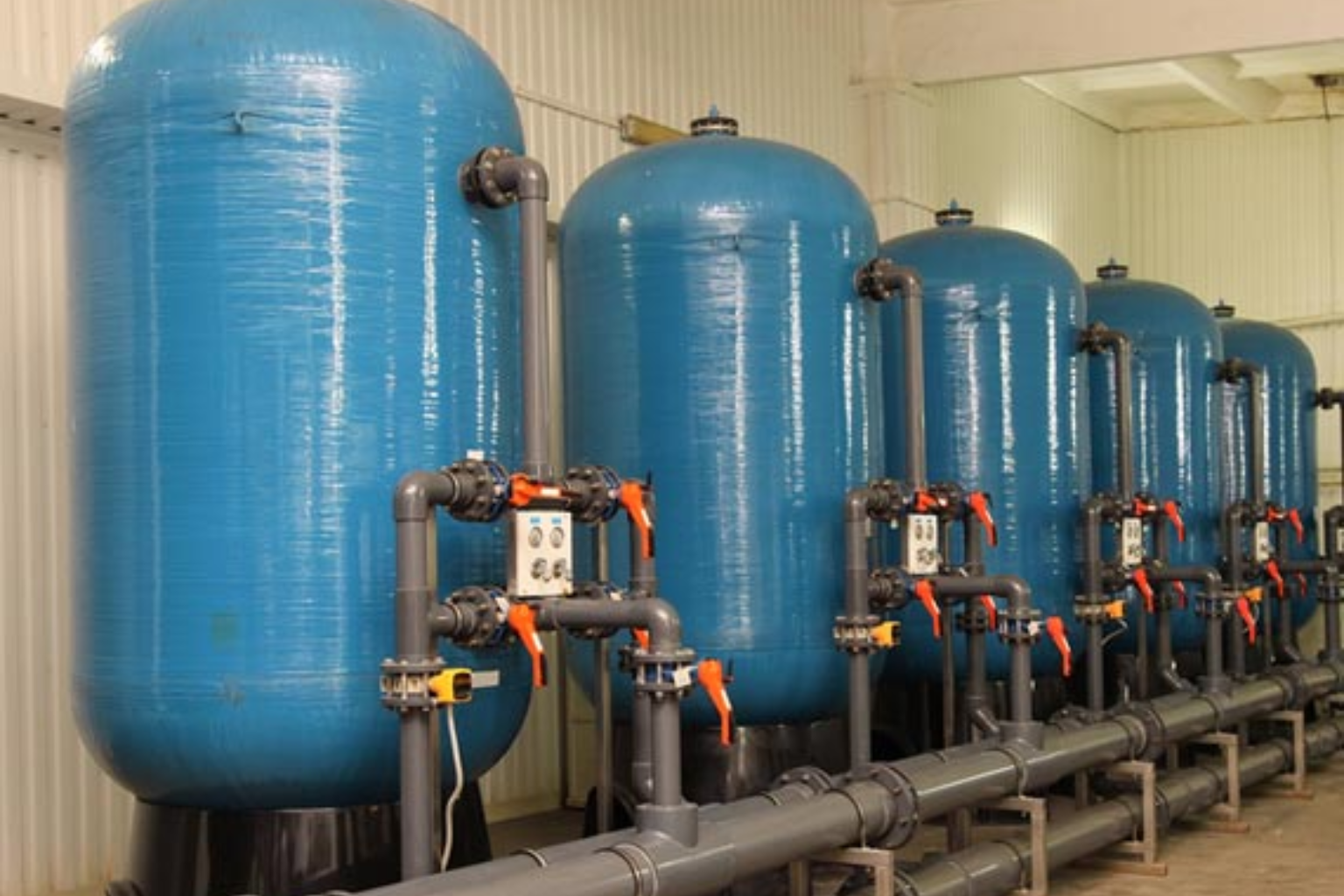
    So, how does it work? A whole-house filtration system is usually installed right where the water enters your home, which means every faucet, every shower, and even the washing machine benefits. The filters themselves vary depending on the system — some are designed to tackle sediment and rust, others to reduce chlorine and chemicals, and more advanced systems even target heavy metals or specific contaminants that might be common in your area.

    What makes this different from a simple sink attachment is scale and comprehensiveness. Instead of filtering just one point of use, you’re filtering everything. And while it might feel like overkill at first, the idea is that water doesn’t just affect your drinking glass. It touches almost every part of your home life.


    Thinking About the Investment

    Of course, there’s always the financial side to consider. Installing a system like this isn’t a twenty-dollar impulse buy at the home goods store. It’s an investment — both in upfront installation and in long-term maintenance. But here’s the flip side: it can also be a preventative measure. Just as you might pay for a gym membership to take care of your body before problems arise, you might invest in water filtration to protect your health, your appliances, and even your plumbing.

    Some homeowners even find themselves saving money in subtle ways: fewer bottled water purchases, extended life of water heaters or dishwashers, reduced need for special soaps and conditioners. It doesn’t cancel out the upfront cost, but it does soften the edges.


    The Installation Question

    Here’s where it gets practical. You might be wondering: do I need a plumber, or can I handle this myself? The truth is, while the handy do-it-yourself crowd might be able to tackle smaller filter setups, most homeowners lean toward hiring a professional. That’s because you’re tapping into the main water line, and any mistake can turn into a mess pretty quickly.

    If you’re serious about moving forward, the phrase you’ll often hear is install whole house water filtration — and that usually involves a bit of coordination. A pro can not only set it up correctly but also recommend the right type of filter for your water supply. Every region has slightly different challenges, and one size rarely fits all.


    The Emotional Side of Clean Water

    It might sound a little dramatic, but there’s something emotional about knowing your home is equipped to give you safe, clean water every single day. It’s an invisible layer of protection that you don’t have to think twice about. In a world where so much feels uncertain — from what’s in our food to what’s in the air — there’s real comfort in controlling what you can.

    One homeowner once described it like this: “It’s not just about the water. It’s about how I feel using it.” That sense of control, of choosing not to compromise, is what makes people passionate advocates after they make the switch.


    Finding the Right System for Your Home

    Not every house is the same, and not every system will fit every lifestyle. Some families want something straightforward that just removes chlorine and sediment. Others want advanced setups that include water softening or reverse osmosis for extra purification.

    When you’re researching, you’ll come across phrases like whole house water filter for home — and while it may sound redundant, it’s really about tailoring the system to where and how you live. A small two-bedroom home won’t have the same demands as a large family with multiple bathrooms. The good news is that the market has expanded enough that there are options at nearly every price point and complexity level.


    So, Is It Worth It?

    At the end of the day, deciding on whole-house filtration is personal. For some, it’s an easy yes — especially if they’ve dealt with hard water, strange odors, or skin irritations. For others, it might feel like an unnecessary luxury. But here’s the thing: once you experience it, it rarely feels unnecessary again.

    It’s not just about better water. It’s about the quiet satisfaction of knowing your home is supporting your health and comfort in ways you don’t have to think about. And isn’t that the dream with most home improvements? To make life a little easier, a little healthier, and a little more enjoyable — even if the upgrade itself is tucked away in the basement, silently doing its job.


    Final Thoughts

    Sometimes the most valuable changes are the ones nobody else notices. No one’s going to walk into your home and gasp at your water filter the way they might over a new kitchen island. But when you’re washing your hands, making coffee, or simply running a bath at the end of a long day, you’ll know. Clean water doesn’t need to be flashy — it just needs to be there, every single time you turn the tap.

    And that’s what a whole house system offers: not a showpiece, but a quiet, reliable improvement that supports your life in more ways than you might imagine.

  • Finding Clarity in the Debate: Salt-Free vs Traditional Water Softeners

    Finding Clarity in the Debate: Salt-Free vs Traditional Water Softeners

    When you start looking into ways to deal with hard water, it’s like opening a door to a surprisingly big debate. Everyone has an opinion—some swear by the tried-and-true salt-based softeners, while others argue that new salt-free approaches are the smarter, greener choice. If you’ve been scratching your head over what’s best for your home, don’t worry. You’re not alone. I’ve been down the same rabbit hole, comparing features, reading reviews, and even chatting with neighbors who had very different experiences.

    Let’s walk through this in a way that feels less like reading a technical manual and more like getting advice from a friend who’s been there.


    The Basics: Why We Even Bother With Softeners

    Hard water is one of those silent frustrations. You don’t think much about it until you notice cloudy glassware, a crusty white ring on your sink, or the way your skin feels tight after a shower. Over time, it gets more serious: clogged pipes, appliances that die earlier than they should, and way too much money spent on soaps and detergents that just don’t lather well.

    That’s where water softeners step in—systems designed to tackle the high levels of calcium and magnesium responsible for all those issues.


    Enter Salt-Free Solutions

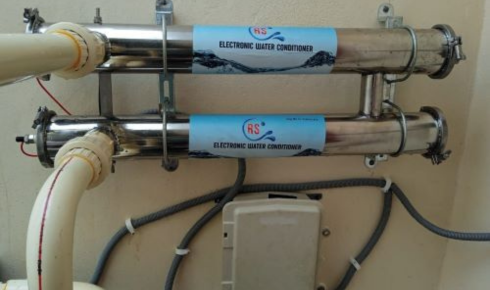
    The term salt-free water systems pops up a lot these days, often framed as a healthier and more eco-friendly alternative. Unlike traditional softeners that use ion exchange with salt, these systems rely on a different process—usually some form of template-assisted crystallization (TAC). Instead of actually removing minerals, they alter the structure of calcium and magnesium so they won’t stick to surfaces. It’s less about stripping your water clean and more about neutralizing the bad behavior of those minerals.

    Many homeowners like the idea because it avoids lugging 40-pound salt bags into the house every month and reduces sodium discharge into wastewater. It also means your water keeps its natural minerals, which some argue is a good thing.


    The Traditional Choice: Salt-Based Softeners

    Of course, there’s a reason salt-based systems have been around for decades. They work. They don’t just prevent scale buildup; they actually remove the minerals, leaving behind that silky-smooth water people love. Dishes sparkle, soap lathers like it should, and your water heater breathes a sigh of relief.

    But they’re not without drawbacks. You’ve got the ongoing maintenance, the salt refills, and the concern over sodium levels if you’re on a restricted diet. Not to mention the environmental question—wastewater from these systems can be an issue in certain regions.


    Living With a Salt-Free Softener

    A friend of mine installed a salt free water softener last year, and she’s been pretty happy. She mentioned the biggest difference wasn’t necessarily in the “feel” of the water, but in how much easier it was to clean her shower tiles. Less scrubbing, fewer harsh cleaners. She also liked knowing that her household wasn’t dumping extra salt into the local water system.

    On the flip side, she admitted it didn’t give that “luxury hotel” feel some people expect. If you’re hoping for the sensation of silky-soft water on your skin, you may not get that with a salt-free option.


    Sorting Through the Noise

    The internet is full of strong opinions on this. Some people insist salt-free systems are a scam, while others say salt-based ones are outdated and wasteful. The truth? It’s not that black and white. It’s more about your personal needs, your priorities, and your water’s hardness level.

    For example, if you’re living in an area with extremely hard water, a traditional system might be more effective in giving you noticeable results. If your water is only moderately hard and you’re focused on eco-friendliness, salt-free might be plenty.


    Cost and Maintenance Considerations

    Let’s talk money. Salt-based systems usually have a higher upfront cost plus ongoing salt purchases. The maintenance is straightforward but continuous—you can’t skip refills. Salt-free systems often come at a similar or slightly higher initial price but have almost no ongoing expenses. Once installed, they’re low-maintenance, which is appealing if you’d rather “set it and forget it.”

    When you look at it over five to ten years, the costs can balance out. The real savings often come from fewer appliance repairs and lower energy bills because your water heater doesn’t have to work so hard.


    The Science vs. the Feel

    Here’s the interesting part: the science behind these systems is different, and so is the way people perceive the results. With salt-based, you feel the difference—soft, slippery water. With salt-free, it’s more subtle. You notice it in how your appliances last longer or how your shower doors don’t get that thick chalky buildup.

    That difference can confuse people into thinking salt-free isn’t “working,” but it’s really about how you define success.


    The Ongoing Debate

    This brings us to the big comparison: salt vs salt free water softener. It’s kind of like the debate between manual and automatic cars. Some people will always swear by the control and familiarity of the old way, while others embrace the convenience of newer technology. Neither side is entirely wrong—it’s just about what matters more to you.

    Do you want water that feels soft to the touch? Salt-based might be your winner. Do you want something low-maintenance and environmentally conscious? Salt-free could be your match.


    So, What’s the Verdict?

    If you were hoping for a one-size-fits-all answer, I hate to disappoint you. The reality is there isn’t one. Every home is different, every family’s priorities are unique, and even the local regulations about water treatment can play a role in your decision.

    What I can say is this: take a step back from the hype. Think about your daily experience with water. What frustrates you the most—scale buildup, the way your skin feels, the hassle of maintenance, or the environmental footprint? Your answer to that will likely point you toward the right system.


    Final Thoughts

    Choosing between salt and salt-free systems doesn’t have to feel overwhelming. At the end of the day, it’s not about chasing perfection—it’s about finding a solution that improves your life in small but meaningful ways. For some, that’s sparkling dishes and softer laundry. For others, it’s peace of mind knowing they’re using a greener system with less fuss.

    Water may be just a part of the background in our lives, but when it’s hard, you notice. And when it’s softened—by whichever method works best for you—you realize how much smoother everyday life can be.